Scuba Junkie Resort
For dive centres, marine conservation begins with minimising our own impact. By adopting eco-friendly practices and responsible technologies, dive operations can actively protect the environments they depend on.
We work closely with Scuba Junkie and the wider dive industry, sharing best practices through platforms such as MIDE and ADEX. Below are some of the sustainable practices we promote and implement at Scuba Junkie’s Mabul Beach Resort.
Green Fins
Green Fins is an initiative of the UN Environment Programme (UNEP) that assesses dive centres annually against an internationally recognised set of environmental standards. Members receive guidance on how to improve their practices and can work towards achieving Top Ten status.
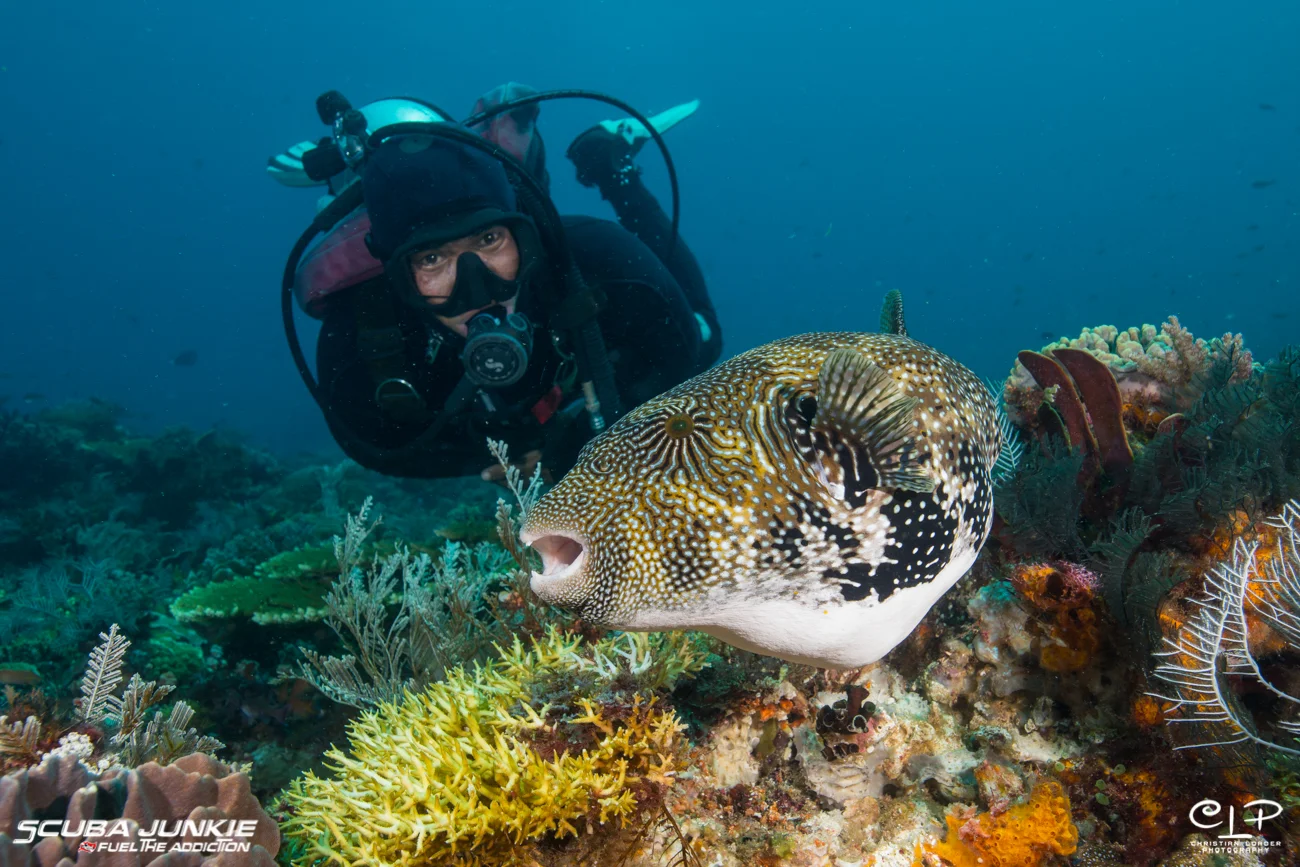
Scuba Junkie’s Mabul Beach Resort has been a leader in environmental stewardship since joining Green Fins in 2014, consistently ranking in the Top Ten despite the scale of its dive operations. In 2024, the resort reached a major milestone by becoming the first Green Fins Member in Malaysia to achieve a zero-impact score — an honour shared by only three other members worldwide. This achievement reflects our long-term commitment to sustainability and responsible diving.
Responsible diving practices
We have produced two separate documents that outline responsible diving practices – a comprehensive document suitable for dive staff and a guest friendly version suitable for display in resorts and on boats. Both documents provide explanations to ensure people fully understand the reason behind the recommendations. These documents are available upon request.
Reef safe sunscreen
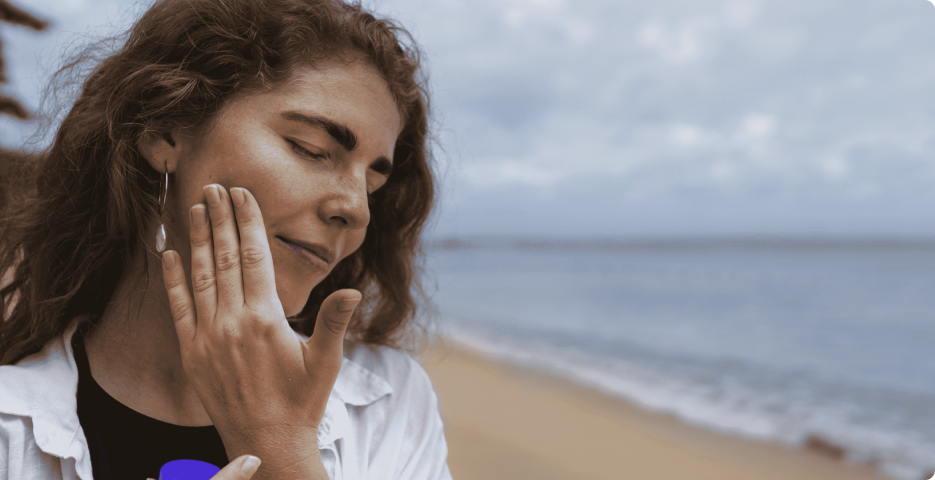
Many common sunscreens contain chemicals such as oxybenzone and octinoxate, which are known to cause coral bleaching and deformities in fish. Dive operators should raise awareness of this with their guests and encourage them to bring reef safe alternatives. Operators should also endeavour to sell reef safe sunscreens in their shops.
Scuba Junkie have a ‘Know before you go’ document that is sent to guests along with their booking confirmation. This document helps to better prepare guests for an eco-friendly trip.
Scuba Junkie SEAS is also pleased to partner with Beach Street Indonesia to be able to make affordable reef safe sunscreen available to purchase at the Mabul Beach Resort shop.
Development boundary
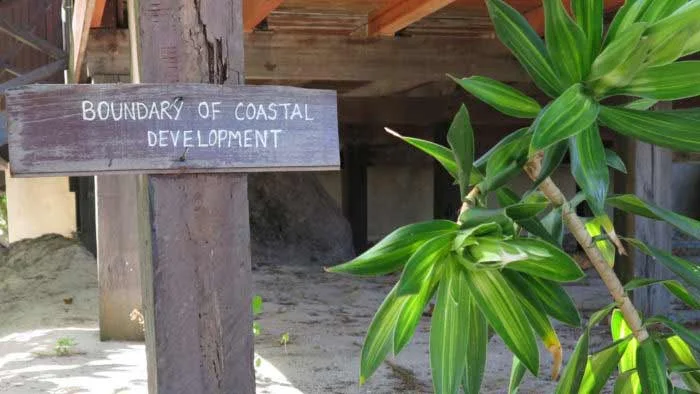
Coastal development can have major adverse environmental impacts, both during the construction and operational phases. It is vitally important that these are considered and used to guide the decision-making process.
The entire Mabul Beach Resort, including guest accommodation, restaurant, bar and staff accommodation is located a minimum of 60 metres from the high tide line to ensure minimal impact on the sea turtle nesting beach and feeding grounds (sea grass beds) in the shallow water in front of the resort.
Recycling
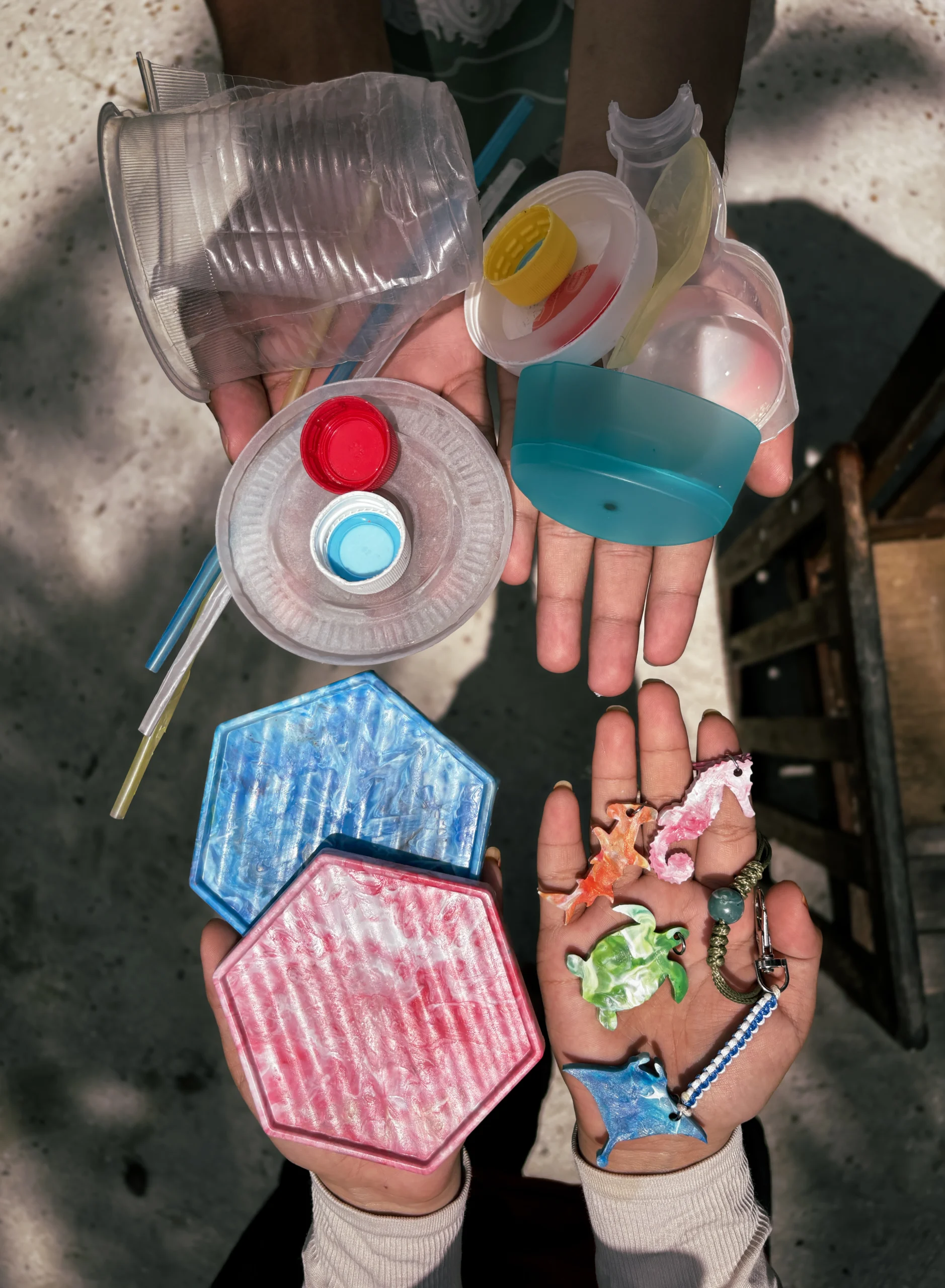
Minimising plastic consumption through the banning of single-use plastics and replacing them with reusable alternatives, as well as recycling/upcycling projects are simple steps that all operators should take to minimise the amount of plastic waste that they are responsible for producing.
The Mabul Beach Resort uses biodegradable cleaning products where possible and buys large containers to refill the smaller, user-friendly containers. All rubbish is separated into five waste streams to facilitate recycling/upcycling.
Sewage treatment
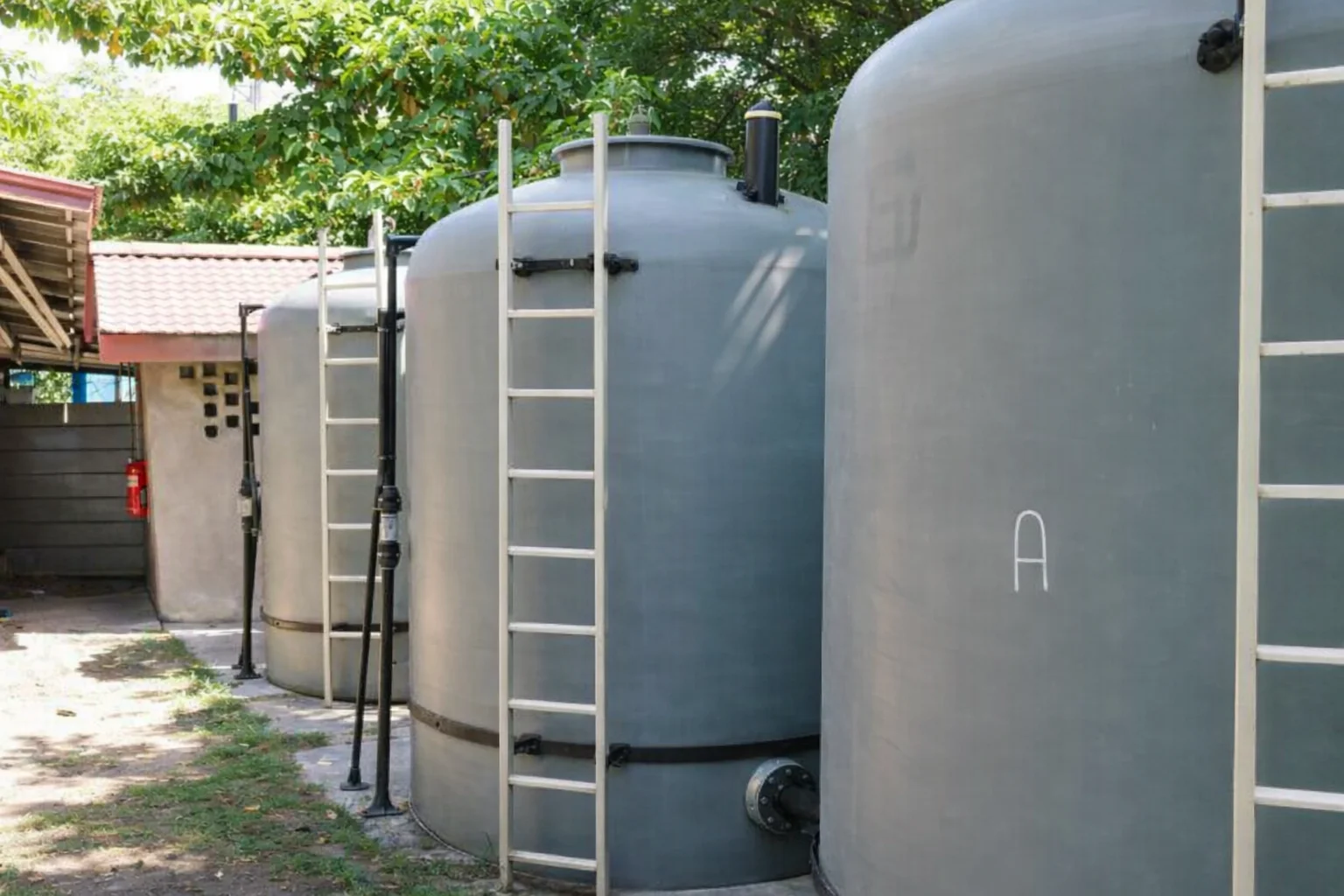
A major issue faced by all island-based resorts is waste management – including sewage and ‘grey’ water. Dive operators should at the very least install a basic system, for example a septic tank, and upgrade this when funds are available.
The Mabul Beach Resort has a Tomher Environmental Infinity BioSolv sewage system, which has the top level of European grading. This produces freshwater and fertilizer, both of which are used on the resort’s garden.
Rainwater collection
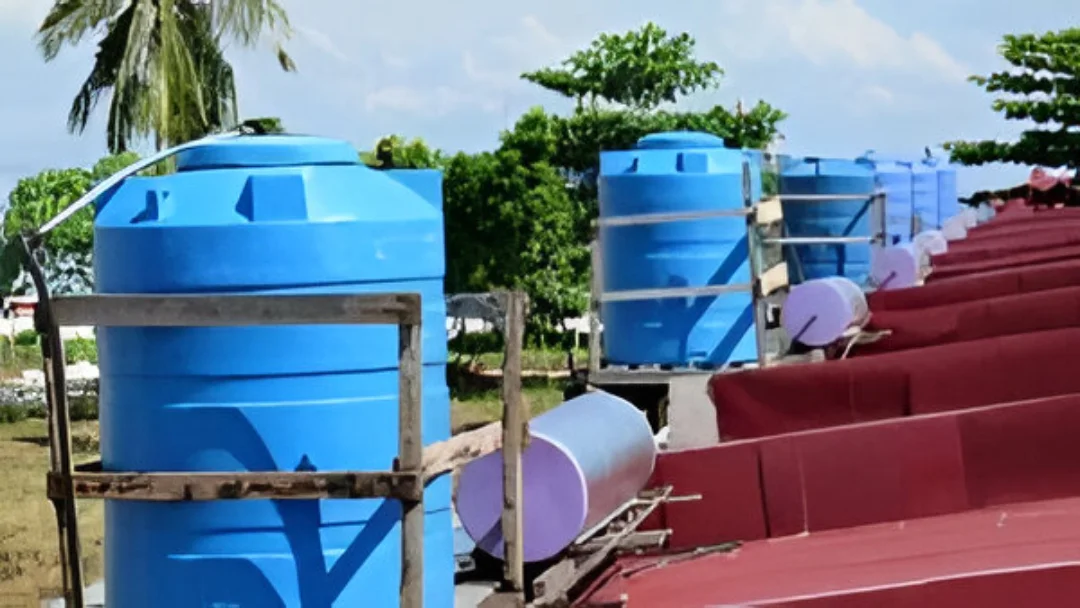
Freshwater availability is another issue for all island-based resorts. Rainwater collection is a very effective way to provide enough supplies, especially in the tropics where downpours are substantial.
The Mabul Beach Resort has an extensive rainwater collection system that ensures a self-sufficient water supply. All bungalows and resort buildings have their own water storage tanks and solar water heaters capable of supplying water for all taps, showers and toilets.
Sustainable seafood
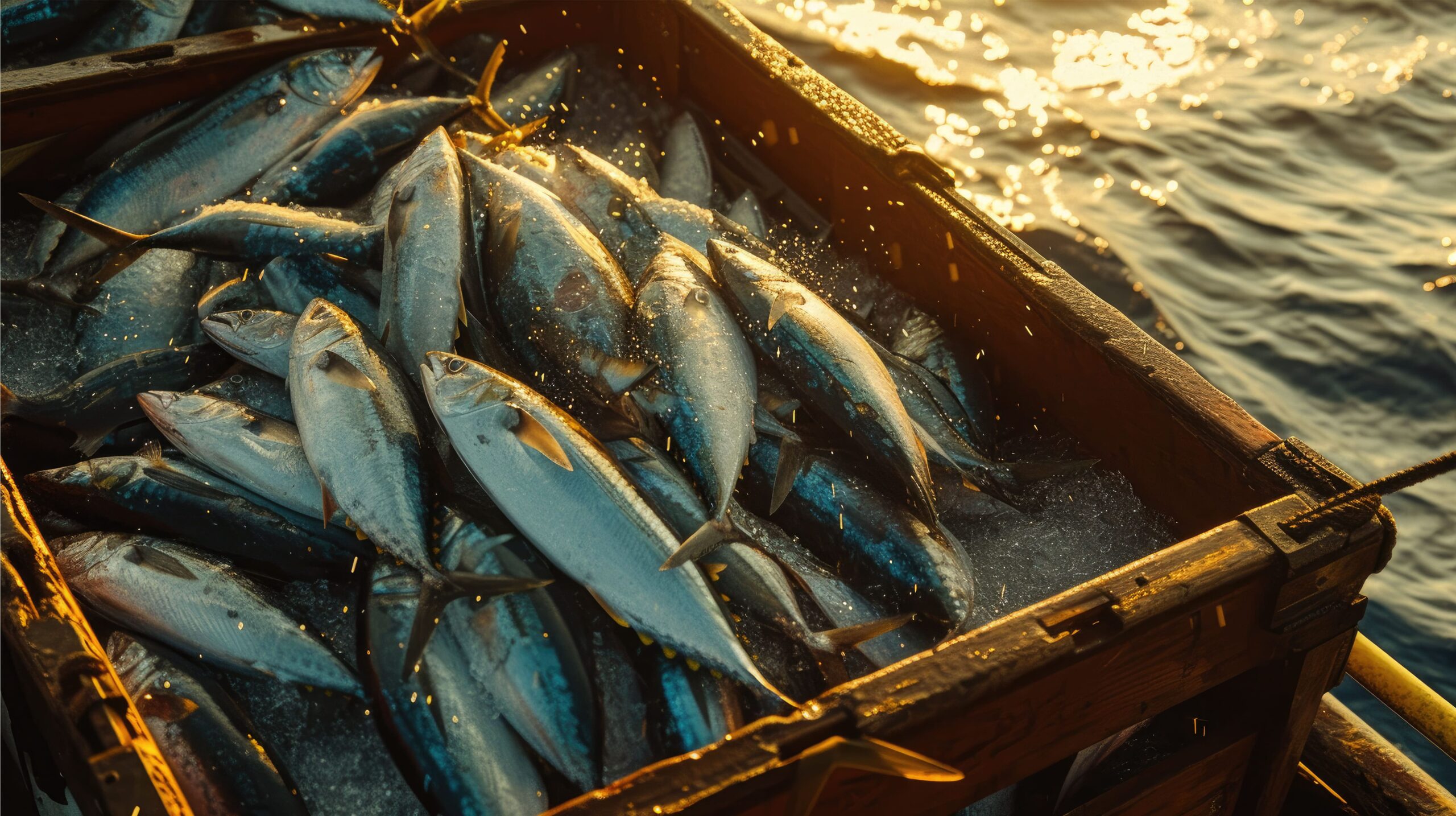
Indiscriminate commercial fishing practices such as long-lining and trawling, along with destructive methods like fish bombing and cyanide fishing, have severe impacts on ocean health. Serving seafood sourced from these fisheries contributes to over-exploitation and undermines the livelihoods of coastal communities that depend on healthy seas.
For this reason, dive resorts should only serve seafood that can be verified as sustainably sourced. Where this is not possible, alternative protein options are the responsible choice. At Mabul Beach Resort, we do not serve seafood in order to avoid supporting unsustainable fishing practices.
Renewable energy
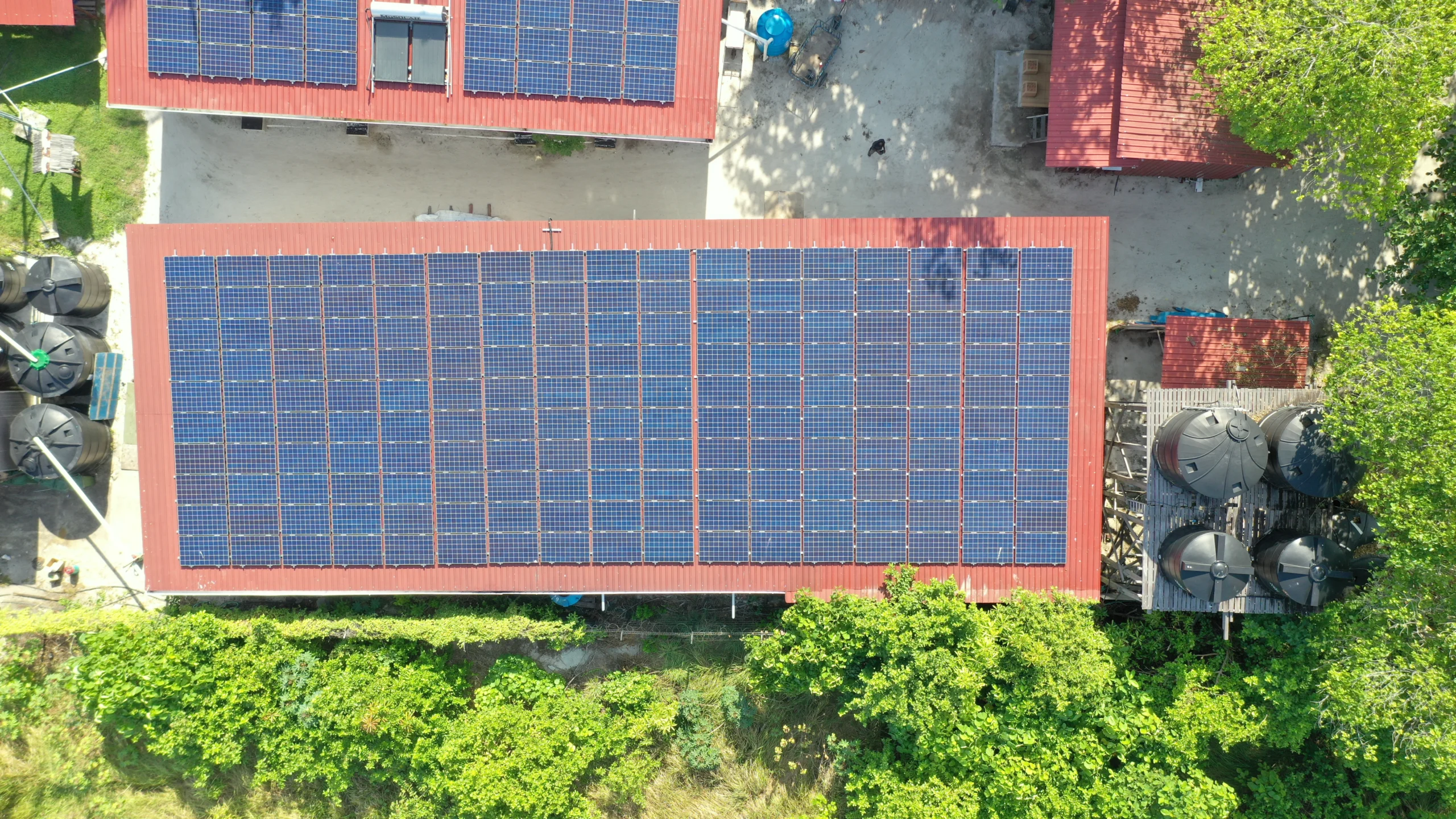
Island-based resorts often rely on diesel generators for power. Not only is this noisy for guests, but more importantly it contributes to greenhouse gases and climate change. Installing power efficient lighting/devices is a logical first step to reducing reliance on fossil fuels. Moving to renewable energy sources is the ideal solution. It might be expensive up front, but it is cheaper in the long-run.
In 2019, Scuba Junkie contracted Swimsol to install a solar energy system at the Mabul Beach Resort that is capable of powering the entire resort during daylight hours.