Coral reefs
Coral reefs are among the most important ecosystems on the planet. Although they cover only a tiny fraction of the ocean floor, they support an extraordinary diversity of life, providing feeding grounds, shelter and nursery habitats for countless marine species. Healthy reefs also play a vital role for people, supporting fisheries, tourism, coastal protection and even medical research.
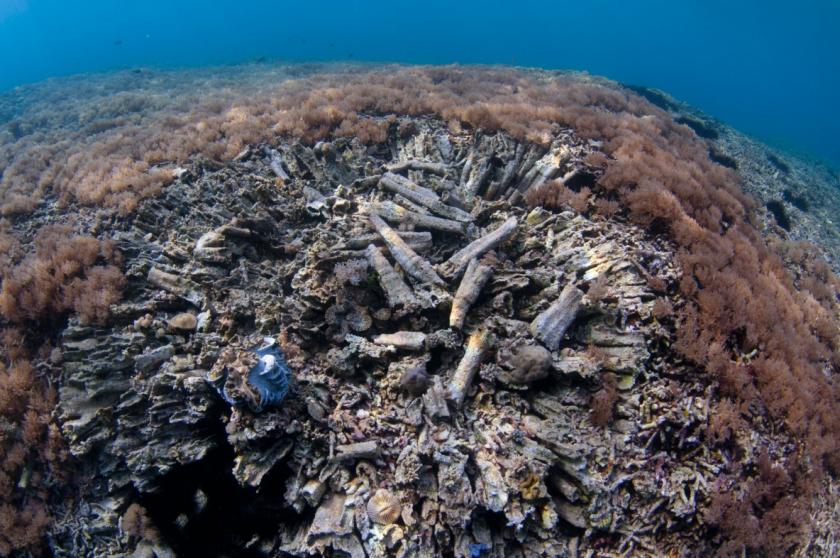
Despite surviving thousands of years of natural change, coral reefs are now under unprecedented pressure from human activities. Many reefs worldwide are already severely degraded, while others face ongoing threats from pollution, sedimentation, overfishing, destructive fishing practices, poorly managed tourism and climate change. Protecting coral reefs is essential not only for marine life, but for the communities that depend on them
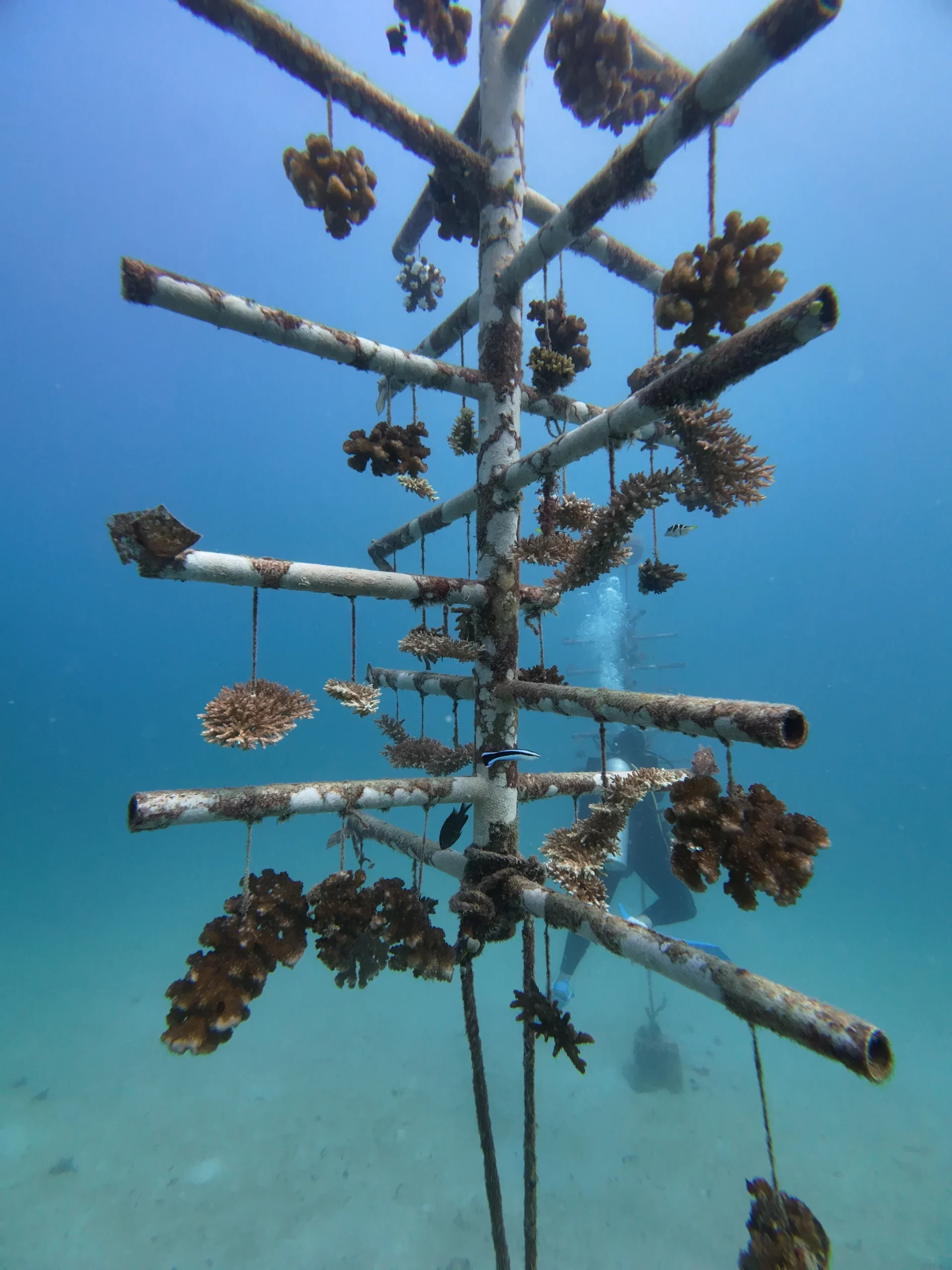
Coral Nursery
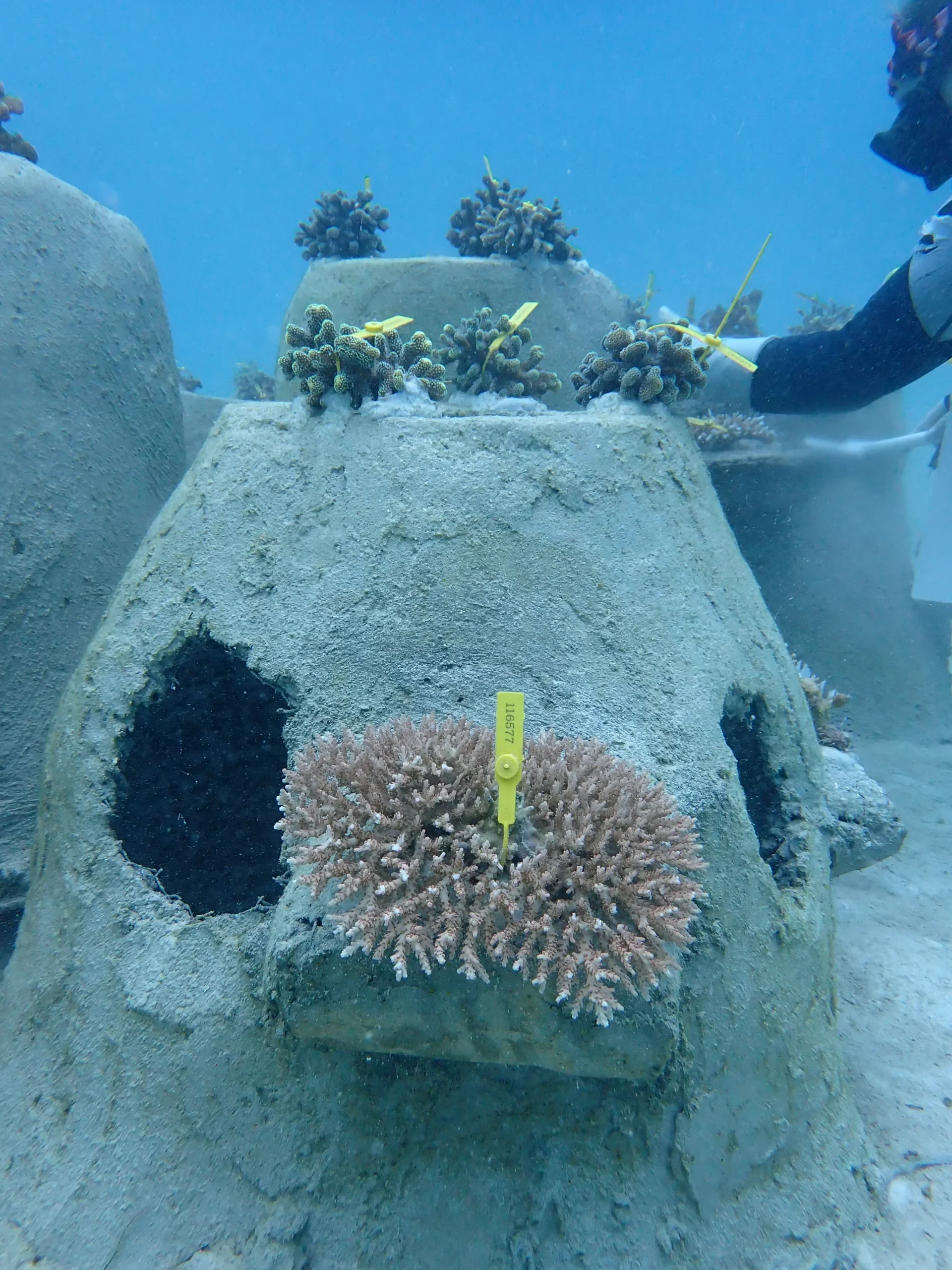
The Scuba Junkie SEAS team partners with WWF on a coral gardening project on Pulau Mabul. Naturally damaged coral fragments are collected and given a second chance by being attached to purpose-built coral structures.
These structures are regularly maintained, with algae removed and coral growth and survival carefully monitored. The project also works closely with local youth from Mabul, providing training in coral conservation and helping to support the long-term health of the island’s reefs.
Coral reef restoration
Our coral nursery supports the restoration of damaged reefs around Mabul through the cultivation of naturally broken coral fragments. These fragments are carefully selected and attached to nursery structures, where they are regularly maintained and monitored to support healthy growth.
Through ongoing monitoring and hands-on management, we refine our techniques to suit local conditions. Once corals are ready, they are used to help rehabilitate degraded reef areas identified through our annual Reef Check surveys, contributing to the long-term recovery and resilience of Mabul’s reefs.
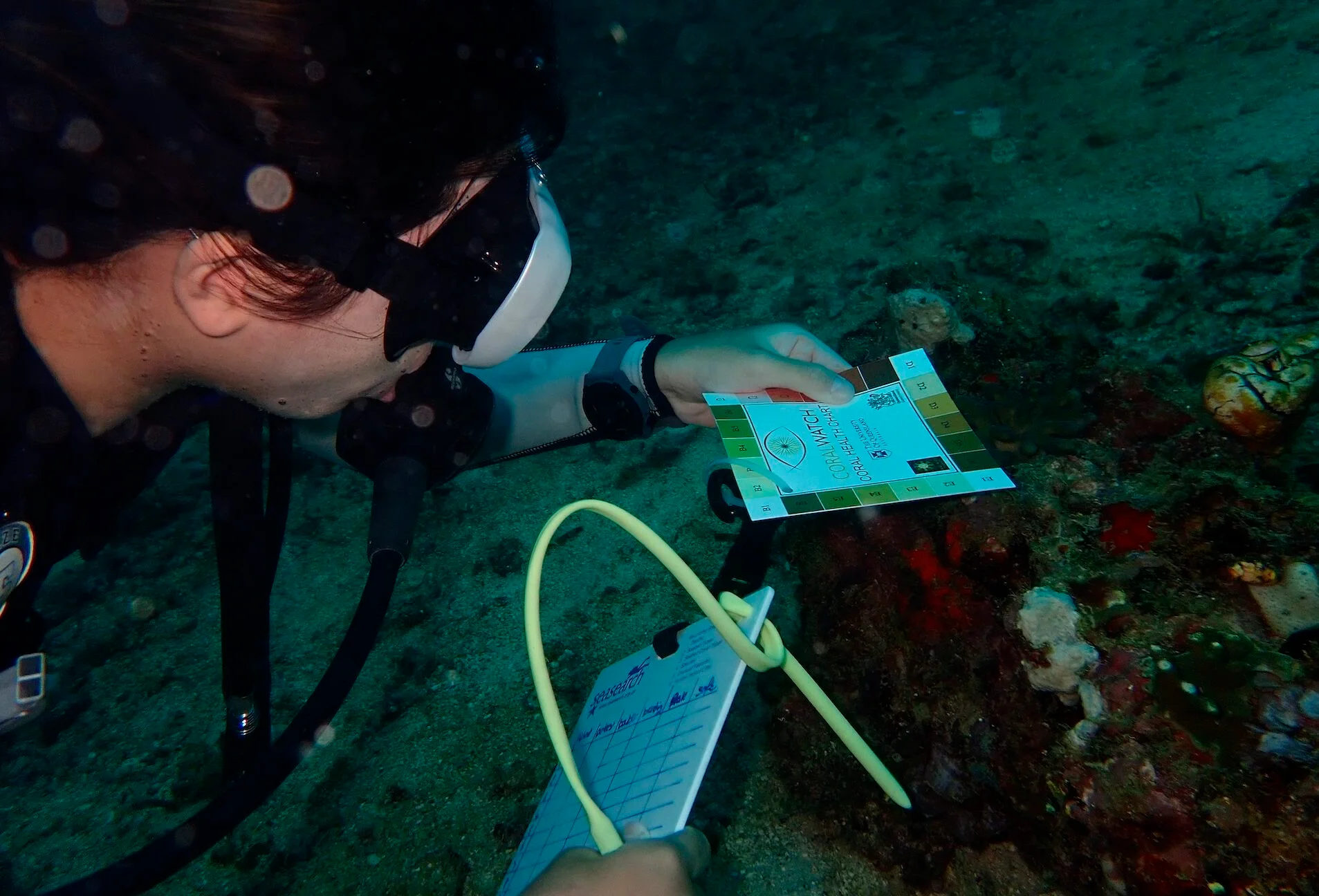
CoralWatch
As part of our citizen science projects we undertake regular coral watch surveys around Mabul in order to monitor the health of the reef. This involves undertaking a dive and recording data on the colour variations of the coral and then entering it into the coral watch database. By doing this we can assess the changing coral conditions of the reef.
Fish bomb reporting
Despite being illegal in Sabah and extremely dangerous, blast fishing continues to pose a serious threat to coral reefs. When incidents are detected, we support local authorities by reporting blasts and sharing details such as location, timing and observations from the dive site
This cooperation helps contribute to enforcement efforts and the protection of reefs around Mabul.
COTS removal
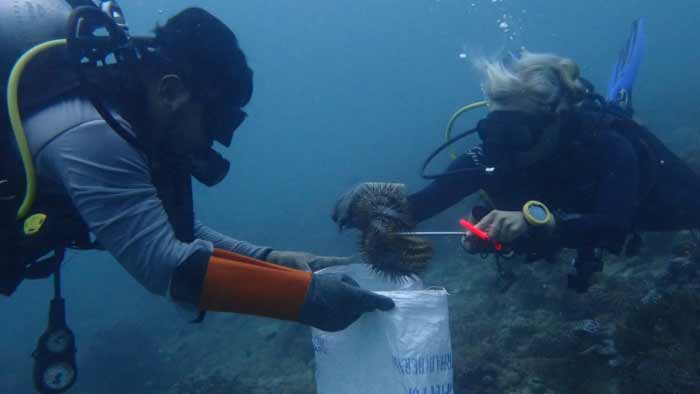
In a healthy, balanced reef ecosystem, crown-of-thorns sea stars (COTS) play a natural role in maintaining coral diversity. However, when this balance is disrupted, outbreaks can occur, causing significant damage to coral reefs.
In late 2018, Mabul experienced a major COTS outbreak. Working in collaboration with local dive operators, the Semporna District Office, Reef Check Malaysia and the Sabah Tourism Board, more than 8,000 COTS were removed over a ten-day period. Since the operation, COTS numbers around Mabul have remained at a healthy level.
Adopt A Hive
[gravityform id=”4″ title=”true”]