Sea Turtles
Sea turtles have been navigating our oceans for millions of years, yet today many populations are in decline. Several species are now classified as critically endangered by the International Union for the Conservation of Nature (IUCN), facing threats such as egg poaching, bycatch in commercial fisheries, plastic pollution, coastal development, boat strikes and climate change. Through a range of hands-on conservation programmes, SEAS works to protect sea turtles at every stage of their life cycle — from nest to open ocean.
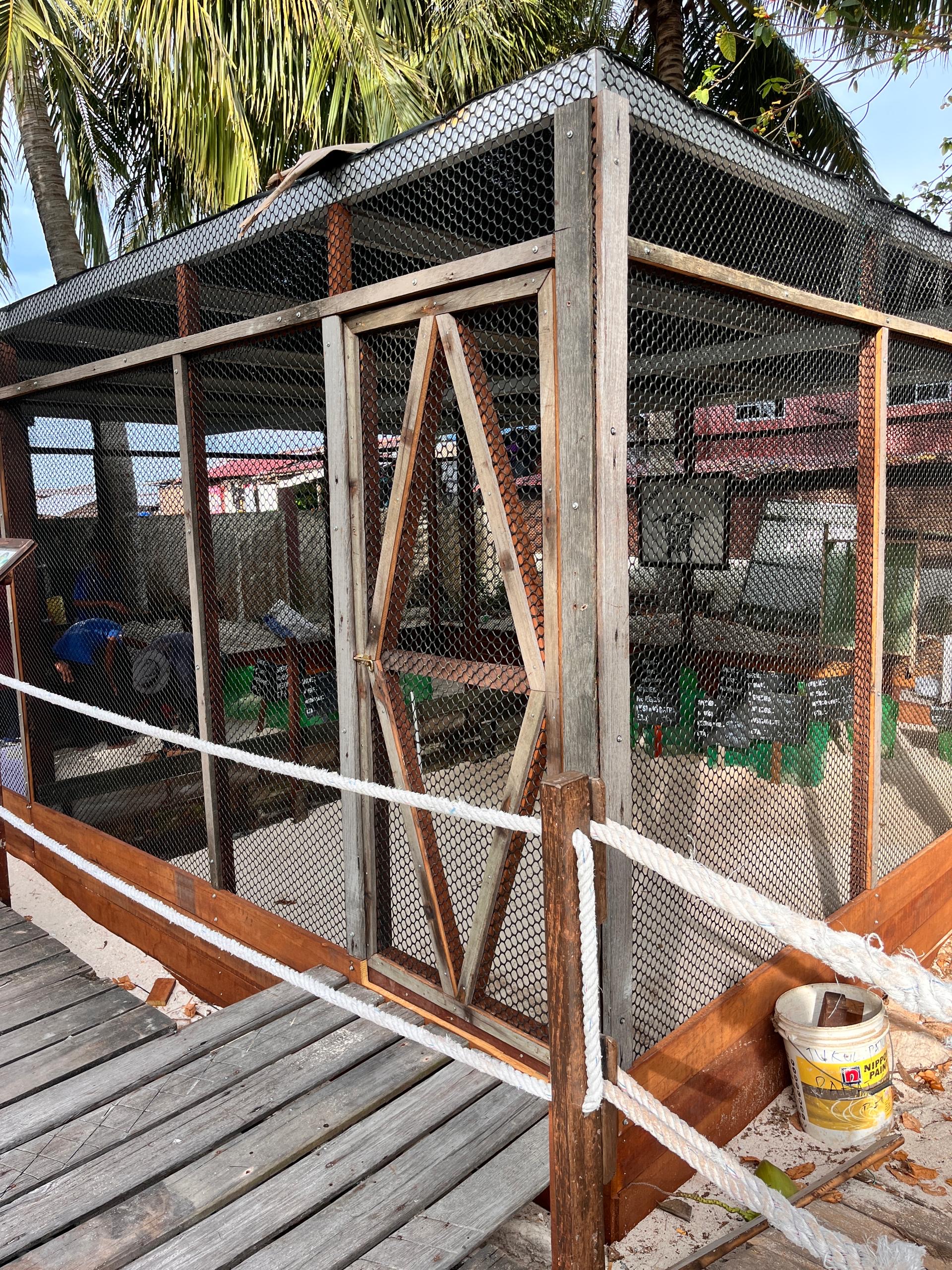
Turtle Hatchery
Since 2011, the Mabul Turtle Hatchery has protected endangered sea turtles with the support of the local community. What began as an effort to prevent egg poaching has grown into one of the island’s key conservation initiatives.
The hatchery goes beyond nest protection. Each nest is carefully monitored as part of a long-term approach that combines hands-on conservation with ongoing research. By giving hatchlings the best possible start in life, the hatchery supports both local turtle populations and wider conservation efforts.
Rehabilitation Centre
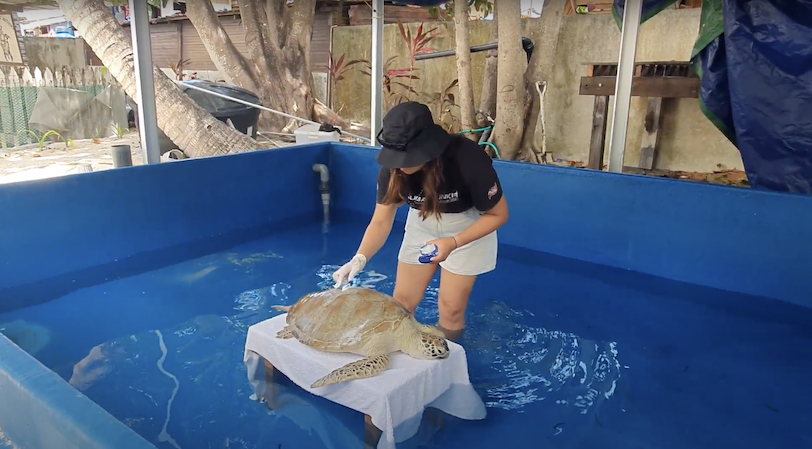
The Mabul Turtle Rehabilitation Centre was established in May 2015 in collaboration with the Sabah Wildlife Department’s Wildlife Rescue Unit. The centre provides a dedicated space for sick or injured turtles to receive appropriate treatment and care before being returned to the wild.
Rehabilitation plays an important role in protecting adult turtles, with animal welfare always our highest priority. While we are happy to share information about this work, the centre is not open to tours to ensure turtles can recover with minimal disturbance.
Turtle ID Database
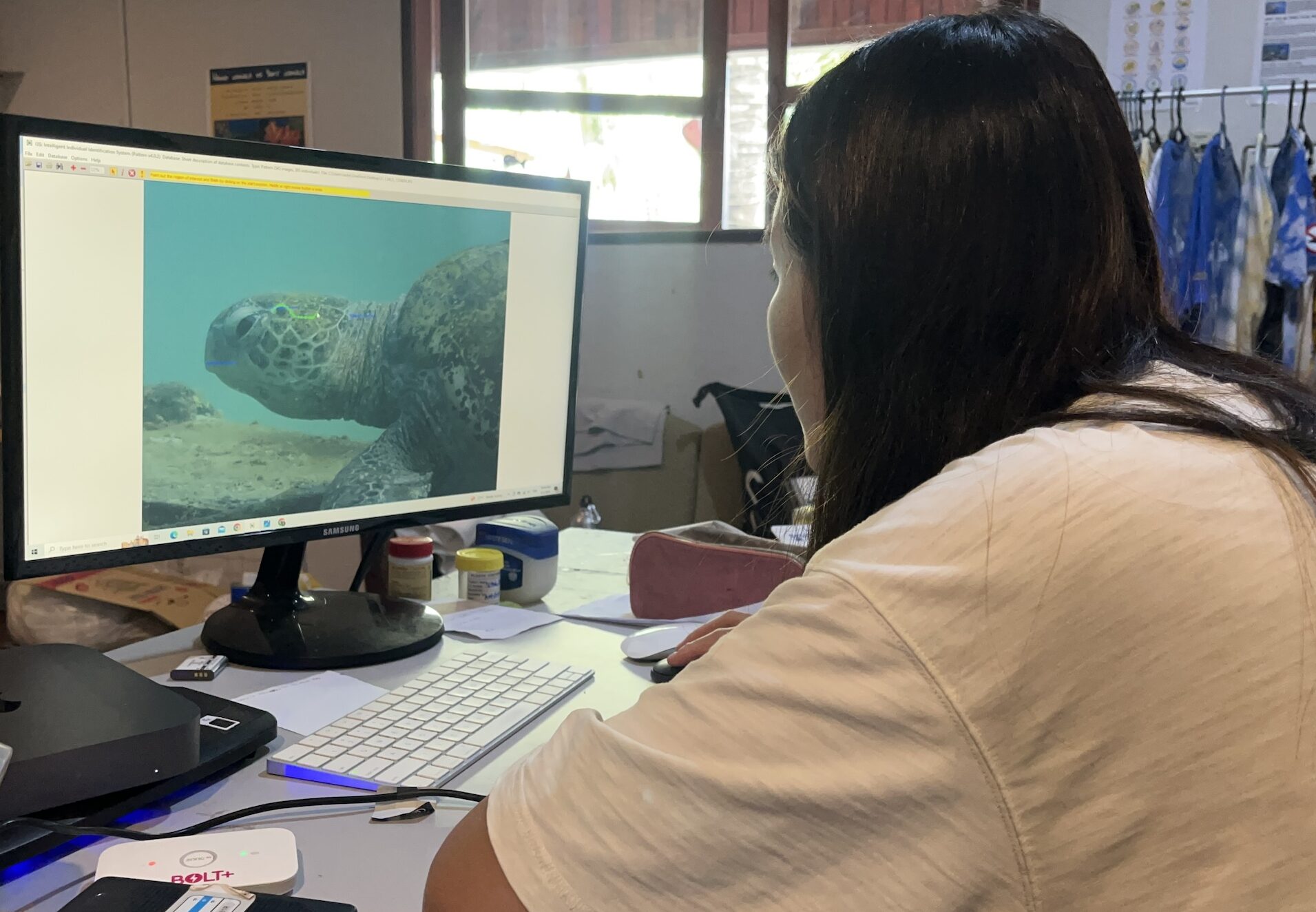
Scuba Junkie SEAS manages a Turtle ID database, an important tool in our conservation work. Using photo submissions from Turtle ID dives and Scuba Junkie guests, we record sighting locations, estimated age, sex, behaviour and distinctive markings of individual turtles.
By using open-source image recognition software (I3S), we are able to identify individual turtles and track how often they are seen and where. This system helps us build a clearer picture of turtle populations and their movements around Mabul, Kapalai and Sipadan, supporting long-term conservation efforts.
Adopt A Turtle
[gravityform id=”4″ title=”true”]