Our Research
SEAS collects long-term, site-based data to help understand and protect Mabul’s marine ecosystems. Our work is practical and field-focused, gathering information through daily operations, nest relocations, reef activities, and partnered projects.
From monitoring turtle nest temperatures to supporting regional shark and ray surveys, our research provides valuable insight into how local wildlife and habitats are changing over time.
Sex ratio study
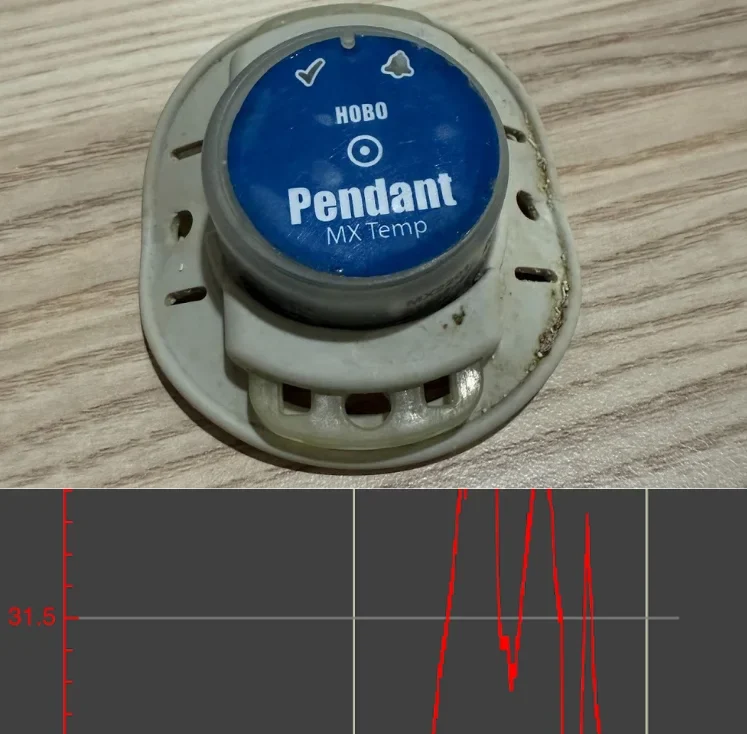
When relocating eggs to the hatchery, we place a small temperature logger inside the egg chamber. This records how warm the nest stays throughout incubation. Because temperature determines whether hatchlings develop as male or female, these data allow us to estimate the sex ratio of each nest.
Tracking these patterns helps us understand how local conditions and a warming climate may influence future turtle populations and forms an important part of our long-term research programme
Coral Reef 3D Photogrammetry
This research project will deliver essential insights into how human activities are reshaping coral reef ecosystems across both shallow and mesophotic zones. Using underwater photogrammetry method, it will generate high-resolution 3D maps that reveal changes in reef structure and biodiversity, including the role of mesophotic reefs as potential refuges for species under climate stress. The importance of this research lies in its direct relevance to conservation, policy, and community resilience—providing robust evidence to guide reef management, restoration, and sustainable use. By strengthening the scientific foundation for action, the project supports the protection of coral reefs, which are critical for food security, tourism, and coastal protection worldwide.
Global FinPrint 2025 – Local Field Support
In 2025, SEAS supported Deakin University and WWF Malaysia as the local field partner for the Global FinPrint project. Our team provided boats, logistical support, and on-water assistance with deploying Baited Remote Underwater Video (BRUV) units around the region.
These BRUV surveys form part of an international effort to assess reef shark and ray populations, giving scientists a clearer picture of species abundance and overall ecosystem health in Southeast Asia.
At the bottom of the page a contact us if you want to collaborate section