Sharks: Guardians of the Reef
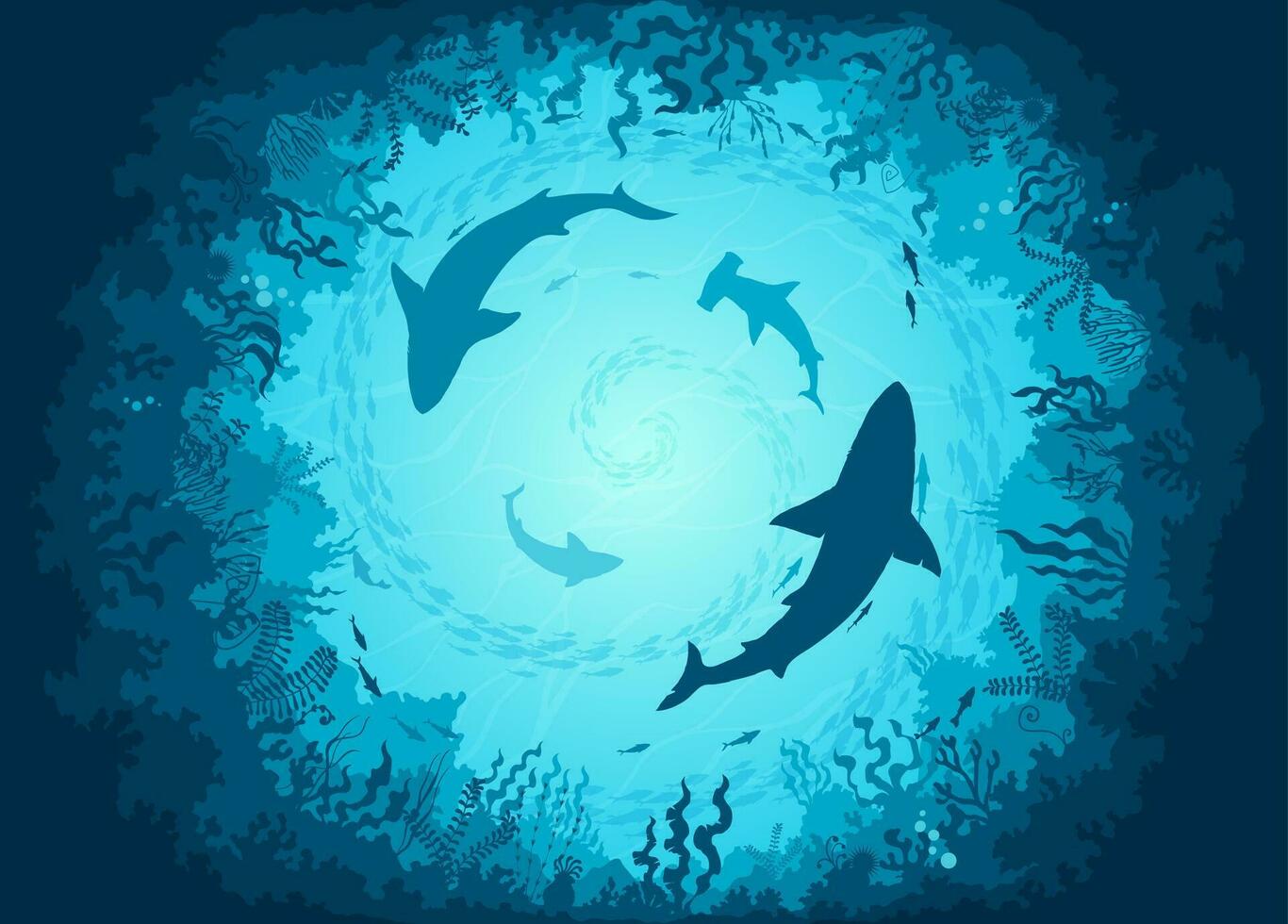
Sharks have played a vital role in the ocean for hundreds of millions of years, helping to shape healthy, balanced marine ecosystems. As apex predators, they influence everything from fish populations to reef resilience, driving the incredible diversity of life we see underwater today.
Despite their importance, sharks are often misunderstood. While negative portrayals have fuelled fear, the real threat lies in the pressure humans place on shark populations worldwide. Understanding the role sharks play — and the challenges they face — is essential to protecting the health of our oceans.
Semporna Shark Sanctuary
Scuba Junkie SEAS was established in 2009 with the aim of improving protection for sharks and rays in Sabah. Our first project focused on developing a proposal for a Semporna Shark Sanctuary, laying the groundwork for our long-term commitment to shark conservation.
Today, our shark conservation work centres on three key areas: advocating for stronger protection of vulnerable species, supporting the establishment of additional Marine Protected Areas (MPAs), and raising awareness of the vital role sharks and rays play in healthy marine ecosystems.
Citizen science
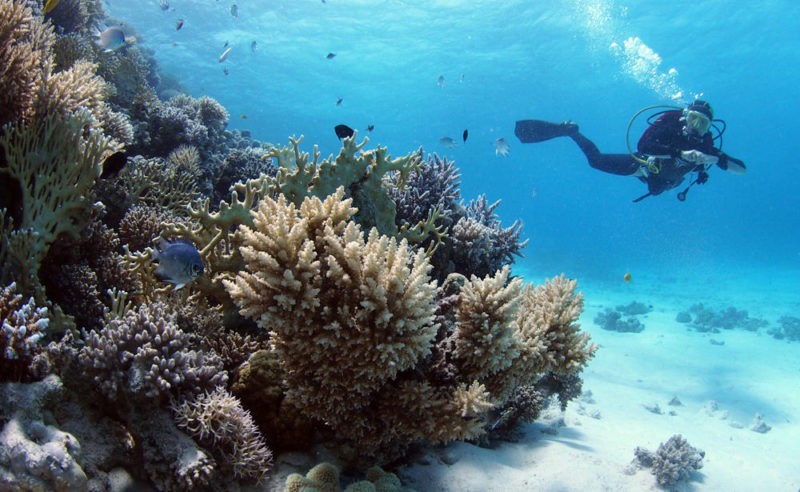
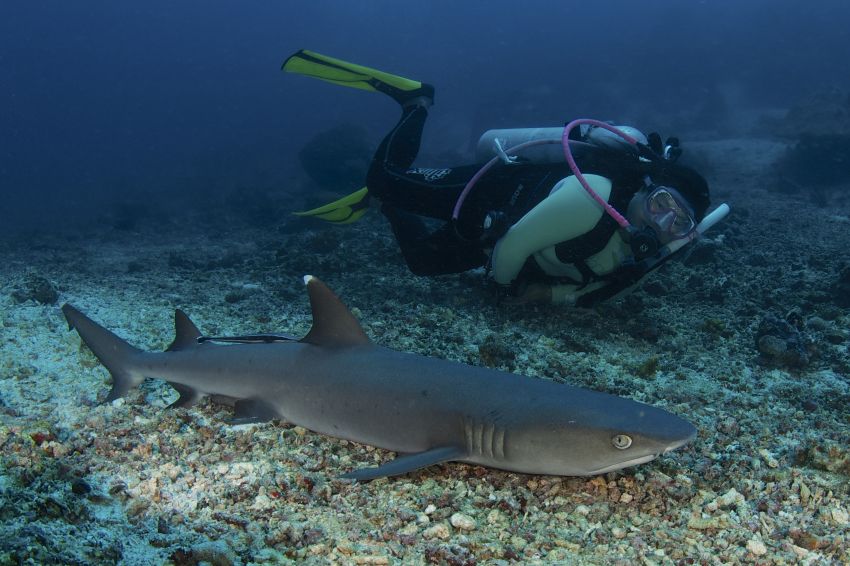
We collect sighting data to support efforts for stronger protection of sharks and rays in Sabah. This includes recording daily sightings by Scuba Junkie’s dive team, as well as monitoring local wet markets to document landings. We also contribute data to global databases such as Whale Shark Photo Identification and MantaMatcher, helping to place local observations into a wider conservation context.
Sabah Shark & Ray Initiative
The Sabah Shark & Ray Initiative is a coalition of organisations, including WWF Malaysia, MRF, LEAP/Forever SSPA and Scuba Junkie SEAS, working together to strengthen shark and ray conservation in Sabah. Established in 2017 and funded by the Shark Conservation Fund, the initiative brings partners together to address key conservation challenges.
Current work includes assessing bycatch reduction techniques in both small-scale gillnet and large-scale trawl fisheries, delivering education and awareness programmes, and contributing to policy consultations that support improved protection measures.
Facilitating research
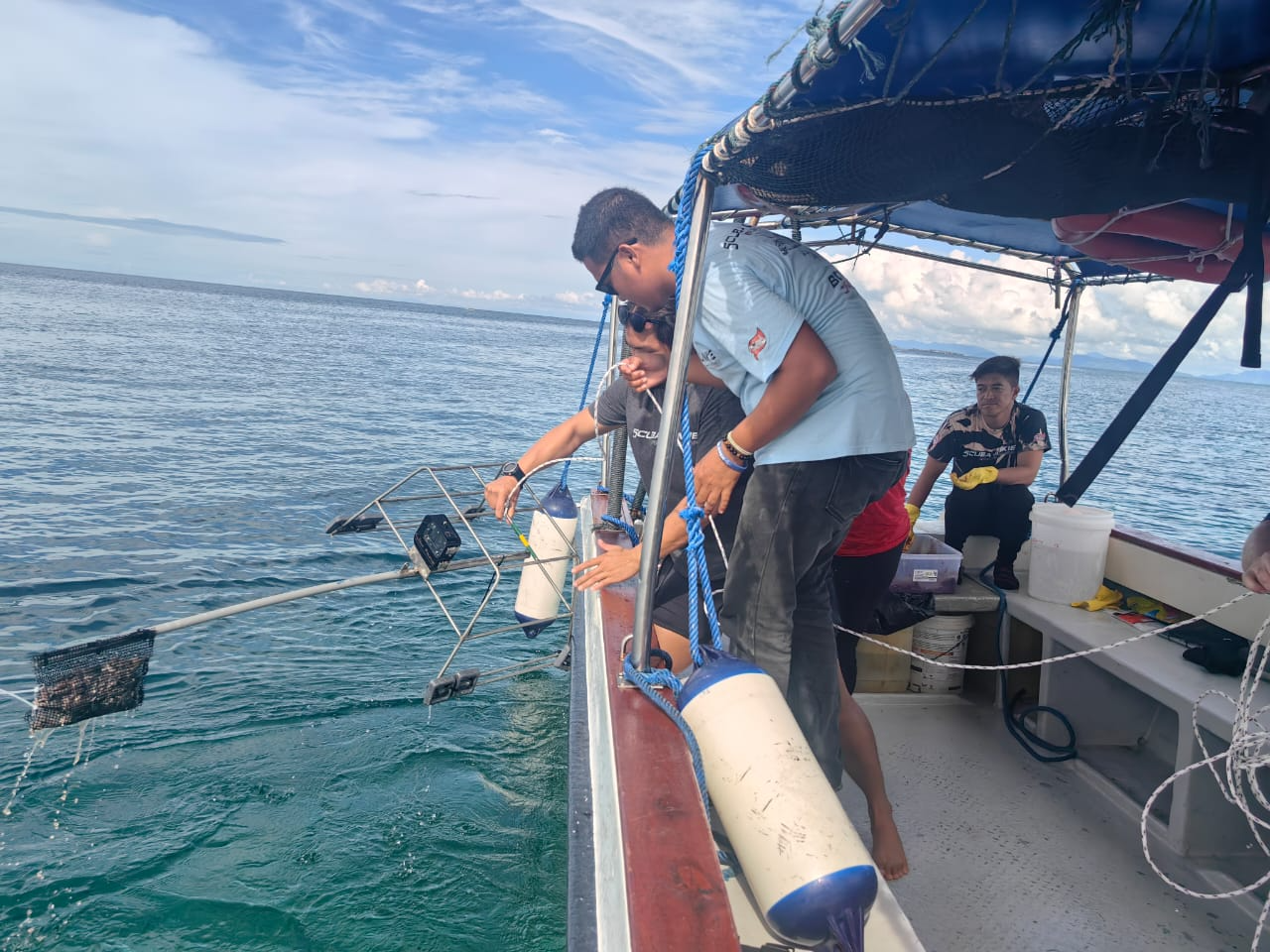
We host scientists at various Scuba Junkie resorts to enable them to carry out research. Previous studies include:
- Marine Megafauna Foundation assessing the impact of microplastics on megafauna at Scuba Junkie Komodo and Scuba Junkie Sangalaki.
- Global Fin Print Initiative who deployed baited remote underwater videos (BRUVs) to document shark and ray diversity at Scuba Junkie Sipadan and Scuba Junkie Kota Kinabalu.
- Australian Institute of Marine Science who carried out socio-economic studies on the value of sharks to the Semporna region.