Sea Turtles: Ancient Navigators of the Ocean
Sea turtles have been swimming through Earth’s oceans for more than 100 million years, surviving the extinction of the dinosaurs and adapting to a constantly changing planet. Their extraordinary endurance is the result of a suite of remarkable biological adaptations that continue to fascinate scientists today.
Temperature Decides Their Sex
One of the most unusual aspects of sea turtle biology is that temperature determines whether hatchlings become male or female.
Unlike humans and many other animals, sea turtles do not possess sex chromosomes that dictate sex before birth. Instead, the temperature of the nest during incubation controls the outcome:
- Cooler nests generally produce more males.
- Warmer nests generally produce more females.
This system has functioned successfully for millions of years. However, as global temperatures rise, scientists are becoming increasingly concerned about heavily female-biased populations and the long-term effects on reproduction.
Masters of Long-Distance Navigation
Sea turtles are among the greatest travellers in the animal kingdom.
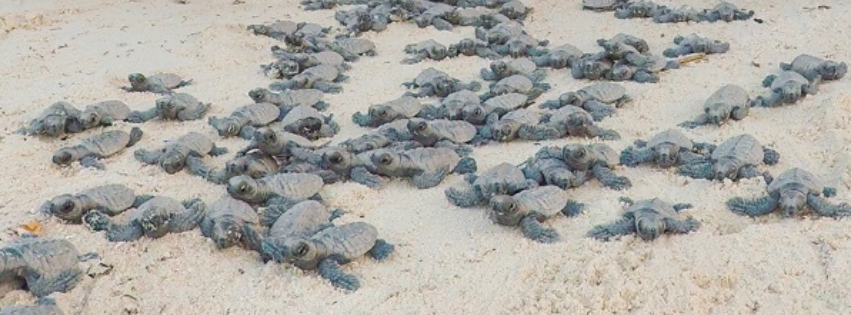
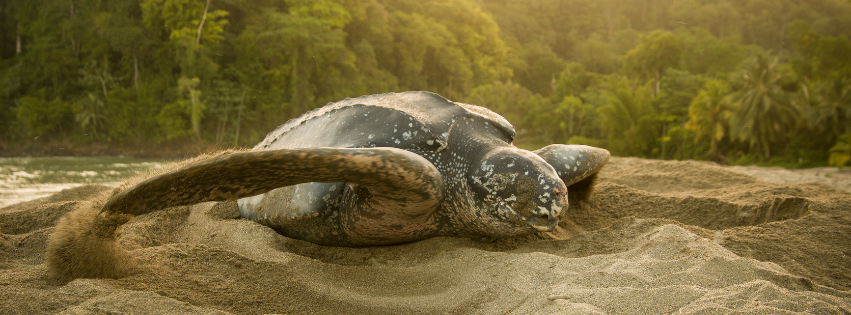
After hatching, tiny turtles enter the open ocean and may travel thousands of kilometres throughout their lives. Adult females often cross entire ocean basins before returning to the very beach where they were born to lay their own eggs.
This incredible homing ability is possible because turtles can detect Earth’s magnetic field. By reading subtle magnetic signatures across the planet, they navigate vast stretches of ocean with astonishing accuracy.
Built for Life at Sea
Every part of a sea turtle’s body is adapted for survival in the marine environment.
Powerful Flippers
Their large front flippers function like underwater wings, allowing efficient swimming and helping them cover enormous distances during migration.
Natural Salt Filters
Special glands located near their eyes remove excess salt from seawater. As a result, turtles often appear to be “crying” when they come ashore, though these tears are simply part of their salt-regulation system.
Streamlined Shells
Their smooth, streamlined shells reduce drag in the water, enabling them to conserve energy during lengthy ocean journeys.
Modern Threats to an Ancient Survivor
Despite their impressive adaptations, sea turtles face numerous challenges in today’s world, including:
- Coastal development
- Plastic and marine pollution
- Fisheries bycatch
- Habitat loss
- Climate change
Ironically, some of the very traits that have ensured their survival for millions of years can now increase their vulnerability. Returning to the same nesting beaches and relying on temperature-dependent sex determination make sea turtles particularly sensitive to rapid environmental change.
Why Sea Turtles Matter
Understanding sea turtle biology reveals just how extraordinary these animals truly are.
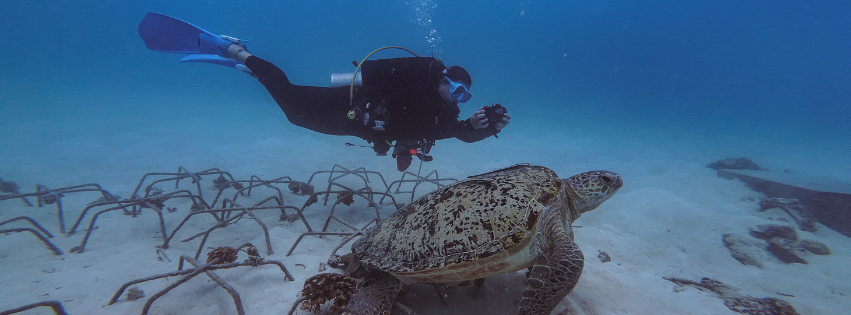
Every nesting female, every hatchling scrambling toward the sea, and every turtle gliding across a coral reef represents the continuation of a lineage that has endured for over 100 million years. Protecting sea turtles means safeguarding one of the ocean’s oldest, most resilient, and most remarkable success stories.