Looking Beyond the Label
Walk into any supermarket or browse online for a few minutes and you’ll quickly be surrounded by products claiming to be eco-friendly, green, natural, sustainable, or planet-friendly. These labels can make it seem as though choosing the environmentally responsible option is as simple as picking the product with the right logo or slogan. Unfortunately, sustainability is rarely that simple.
Many environmental impacts occur long before a product reaches our hands, and long after we’re finished using it. The materials used to make it, the energy required to manufacture it, the distance it travels, how long it lasts, and what happens when it’s discarded all contribute to its overall environmental footprint. This broader perspective is known as lifecycle thinking, and it forms the foundation of understanding sustainability beyond marketing claims.
The Story Behind Every Product
Every item we use has a story.
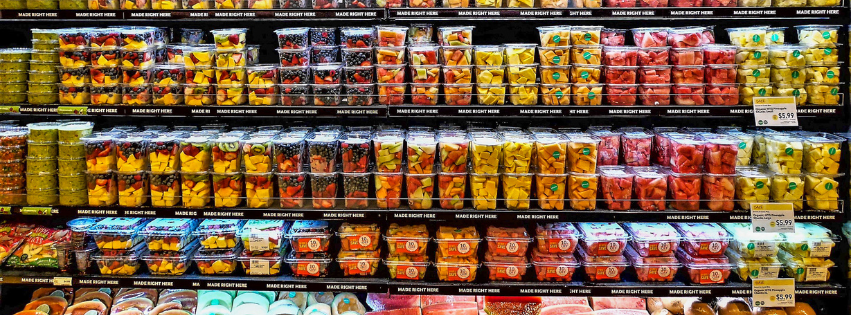
Take something as simple as a reusable water bottle. Before it reaches a shop shelf, raw materials must be extracted, processed, transported, manufactured, packaged, and shipped. Each stage requires energy and resources. This doesn’t mean reusable products are bad. In many cases they are significantly better than single-use alternatives. However, understanding the full journey reminds us that no product is completely impact-free.
The same applies to clothing, electronics, food packaging, furniture, and even renewable energy technologies. Environmental impacts don’t begin when we buy something, and they don’t end when we throw it away. To truly understand sustainability, we need to look at the whole picture.
When “Eco-Friendly” Isn’t Clear
Terms such as eco-friendly or green often have no universal definition. Two products may use the same marketing language while having very different environmental impacts.
For example, a product made from recycled materials may still require large amounts of energy to manufacture. A biodegradable item may only break down under specific industrial composting conditions. A reusable item may only become the lower-impact option after being used hundreds of times. This doesn’t mean these products are misleading. It simply means that a single label rarely tells the whole story.
Looking beyond the label means asking questions:
- What is it made from?
- Where did those materials come from?
- How long will it last?
- Can it be repaired, reused, or recycled?
- What happens when it reaches the end of its life?
The answers are often more important than the marketing on the packaging.
Sustainability Is About Systems
One of the biggest misconceptions about sustainability is that it can be solved through individual products alone.
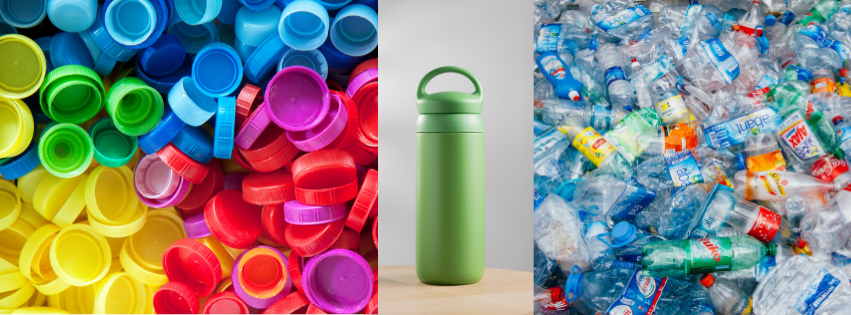
In reality, sustainability is often about systems. Consider plastic pollution. The issue isn’t simply that plastic exists. Plastic can be a highly useful material when used responsibly. The problem often lies in how products are designed, consumed, collected, and managed after use.
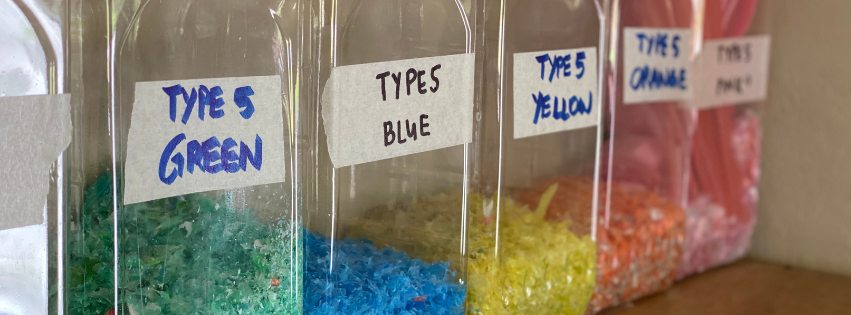
On Mabul Island, for example, one of the greatest environmental challenges affecting coral reefs is not agricultural runoff or industrial pollution. It is the lack of infrastructure to manage waste and sewage effectively. The environmental impact comes from the wider system surrounding the material, not just the material itself.
Understanding these systems helps us move beyond simple good-versus-bad thinking and towards more effective solutions.
Progress Over Perfection
It’s easy to feel overwhelmed when learning about environmental issues. If every product has an impact, how can anyone make the “right” choice?
The answer is that sustainability is rarely about perfection. It’s about making better decisions where we can, understanding trade-offs, and supporting improvements over time. Sometimes the most sustainable option is choosing a durable product that lasts for years. Sometimes it’s repairing something rather than replacing it. Sometimes it’s simply using what we already own for as long as possible.
Small actions matter, but so does understanding the bigger picture.

What This Means for SEAS
At Scuba Junkie SEAS, we spend a lot of time thinking about sustainability beyond simple labels.
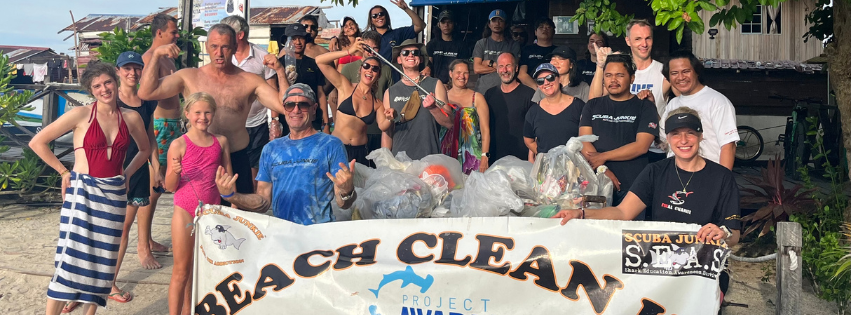
Whether we’re restoring coral reefs, rehabilitating turtles, developing our plastic upcycling project, conducting beach cleans, or working with the local community through outreach programmes, we’re constantly asking how we can reduce impacts while creating long-term positive change.
We’re proud that Scuba Junkie received a Gold Green Fins Award with a zero-impact score this year, but sustainability doesn’t stop with a certificate. The real work happens every day through the decisions we make, the systems we improve, and the projects we continue to develop.
That is why, over the coming year, we’ll be exploring sustainability in greater depth through this newsletter series. Together we’ll look at topics such as recycling, renewable energy, reusable products, electric vehicles, product lifecycles, and the circular economy.
Our goal isn’t to tell you what to buy or what to think. Instead, we hope to provide the tools and knowledge to help you look beyond the label and better understand the complex environmental stories behind the products and systems we interact with every day.
Because sustainability isn’t about finding perfect answers.
It’s about asking better questions.