Talia’s Journey

Finding My Way to SEAS

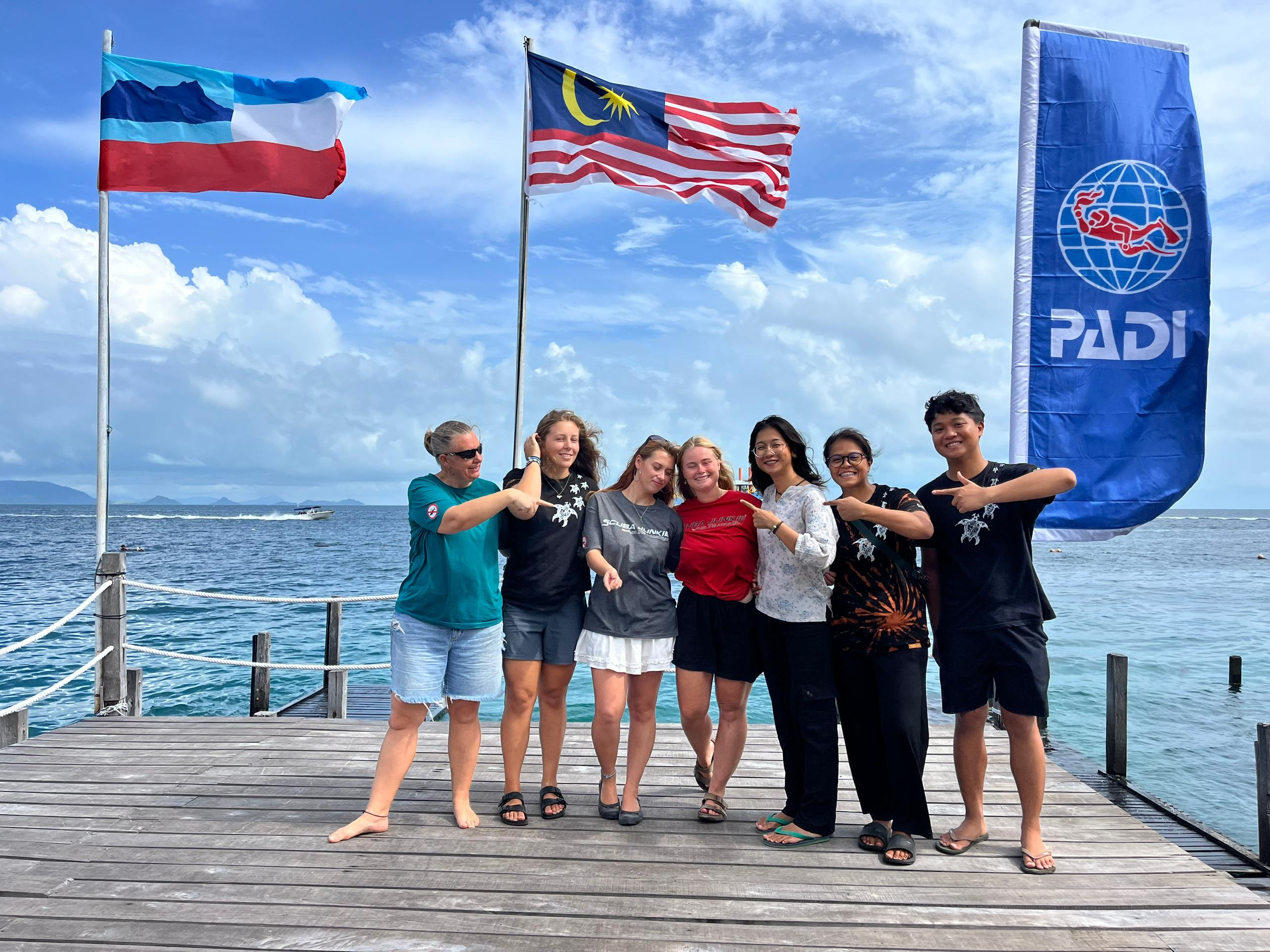
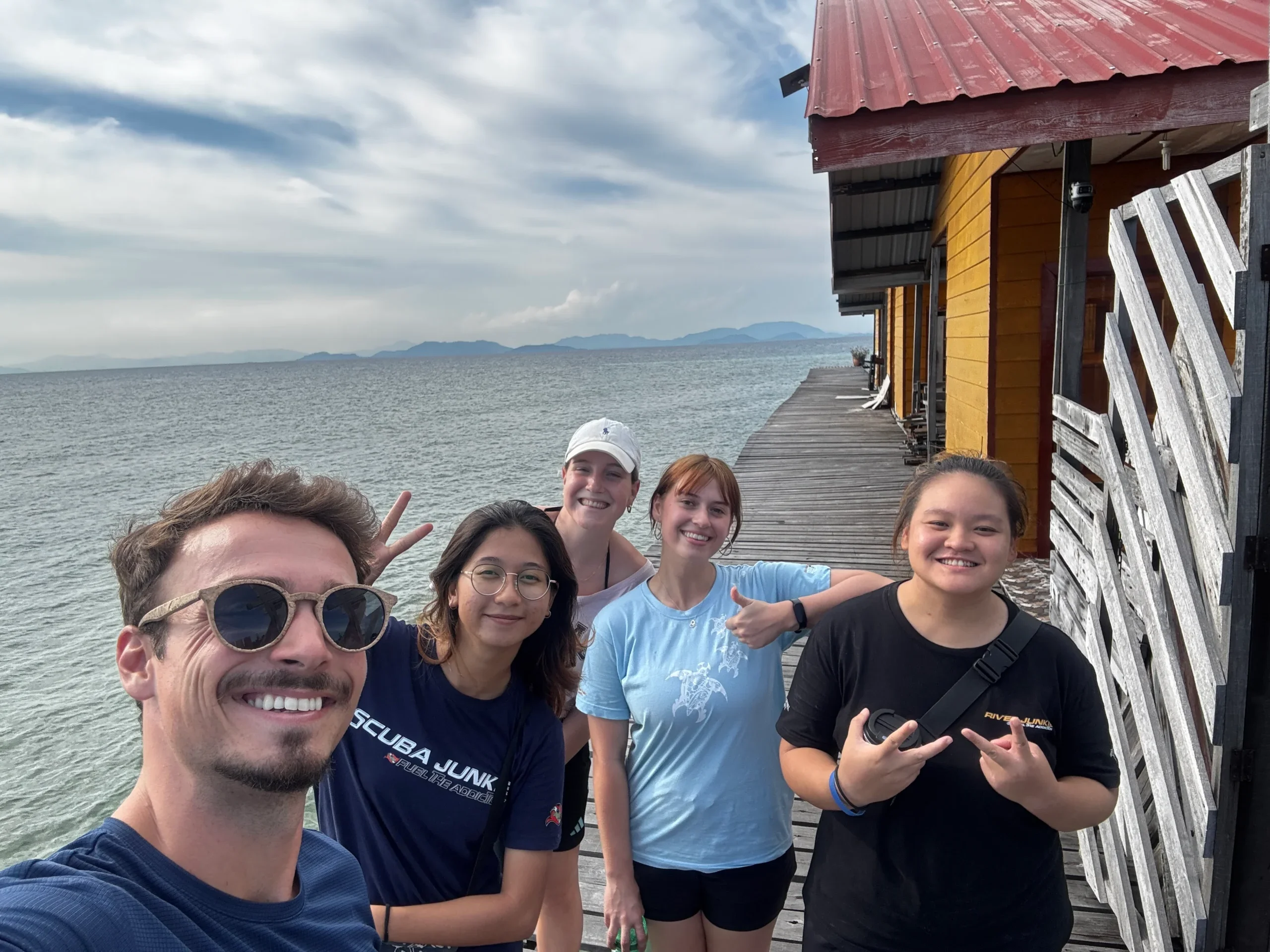
My name is Talia, I am a zoology student studying at Cardiff University in Wales, UK, and I have been an intern at Scuba Junkie SEAS for the last 10 months.

I first heard about SEAS through another Cardiff student who had once come as a diving guest. This student was so passionate when talking about Malaysia and really encouraged me to research conservation groups here for my internship year. Making initial contact with SEAS and learning about their current and future projects, it was safe to say I was incredibly excited and keen to join.

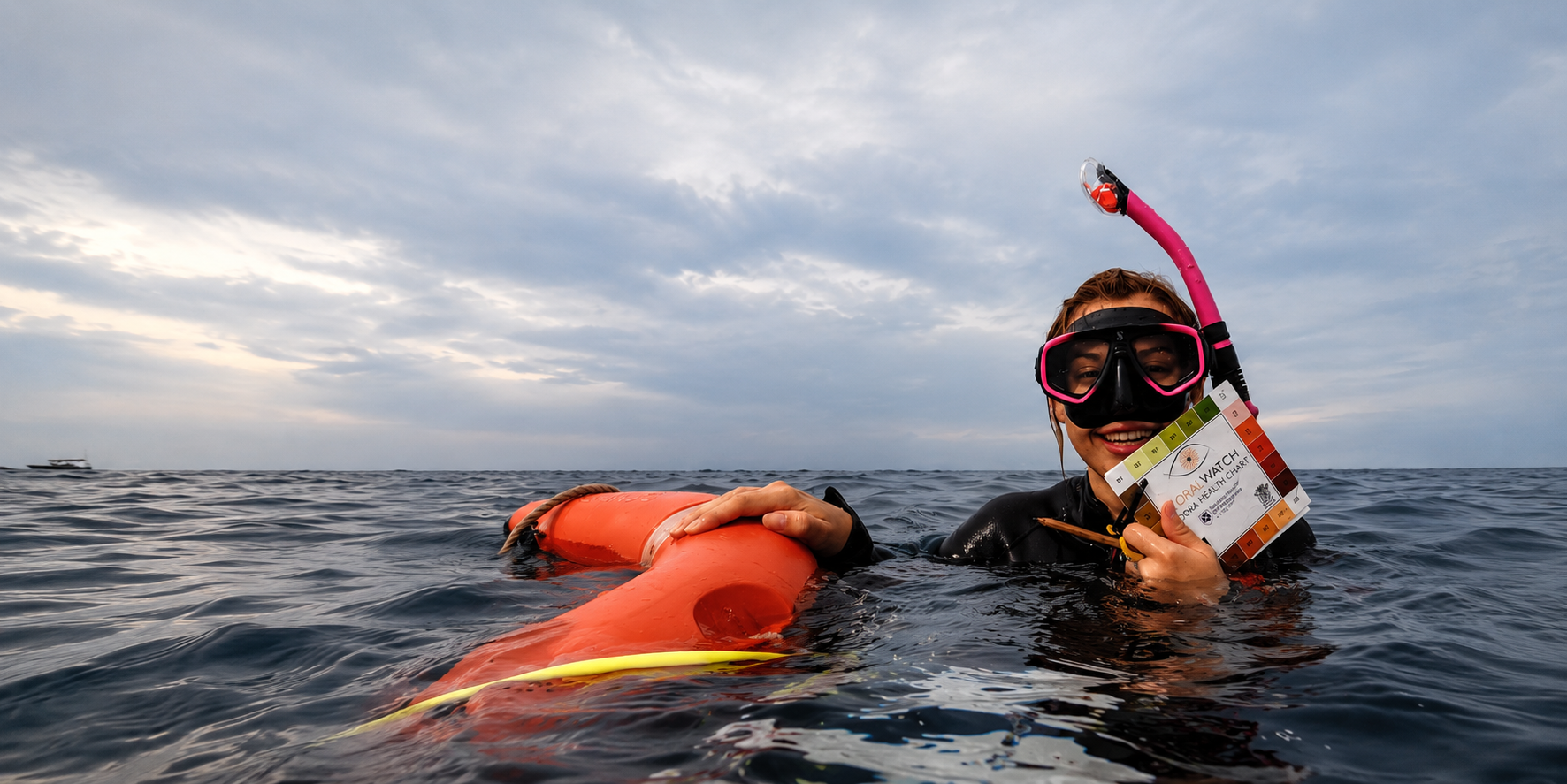
As a zoology student, my marine biology knowledge was quite limited, but I had a newly discovered passion for diving which made me fall in love with the marine world. I was desperate for an opportunity to explore this new interest.

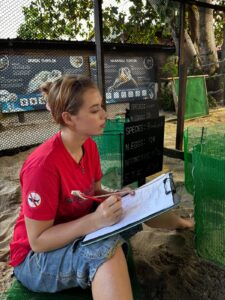
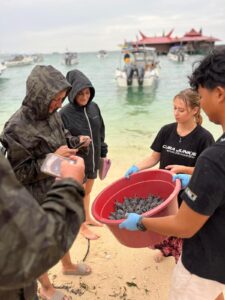
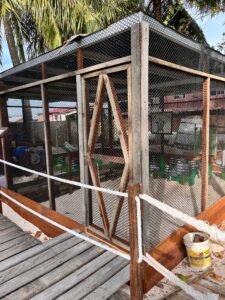
My role at SEAS became closely intertwined with our turtle hatchery, particularly the green turtle sex ratio study, which I later came to manage in terms of data collection, entry and analysis. This study involved recording incubation temperatures at specific time periods using temperature loggers to estimate the sex ratio of turtle hatchlings in nests relocated to our hatchery.

Challenges and Personal Growth

My biggest challenge was definitely moving across the world, away from friends and family, and integrating into not only a new work culture but also an unfamiliar country and religious culture. However, over time I met people who positively shaped my experience here and who I hope to remain friends with for life.

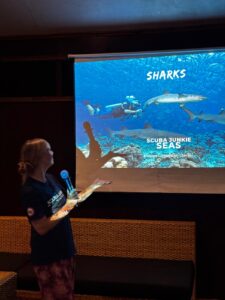
Another personal challenge was public speaking, which I absolutely hated. Through Friday night presentations and delivering hatchling release speeches in front of guests, I gradually became much more comfortable speaking to groups.

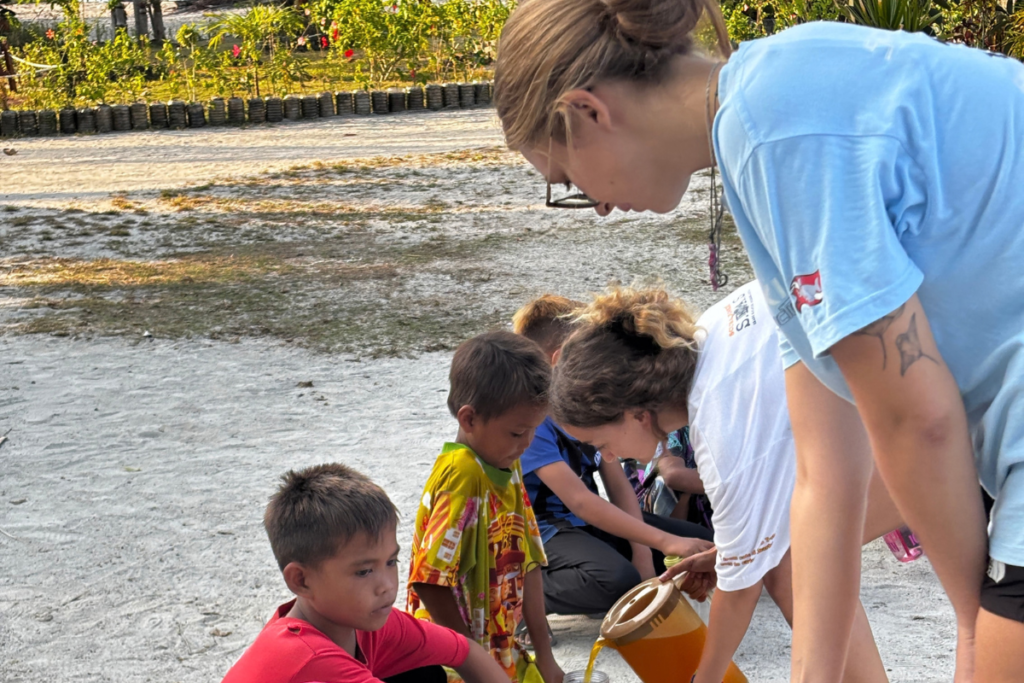
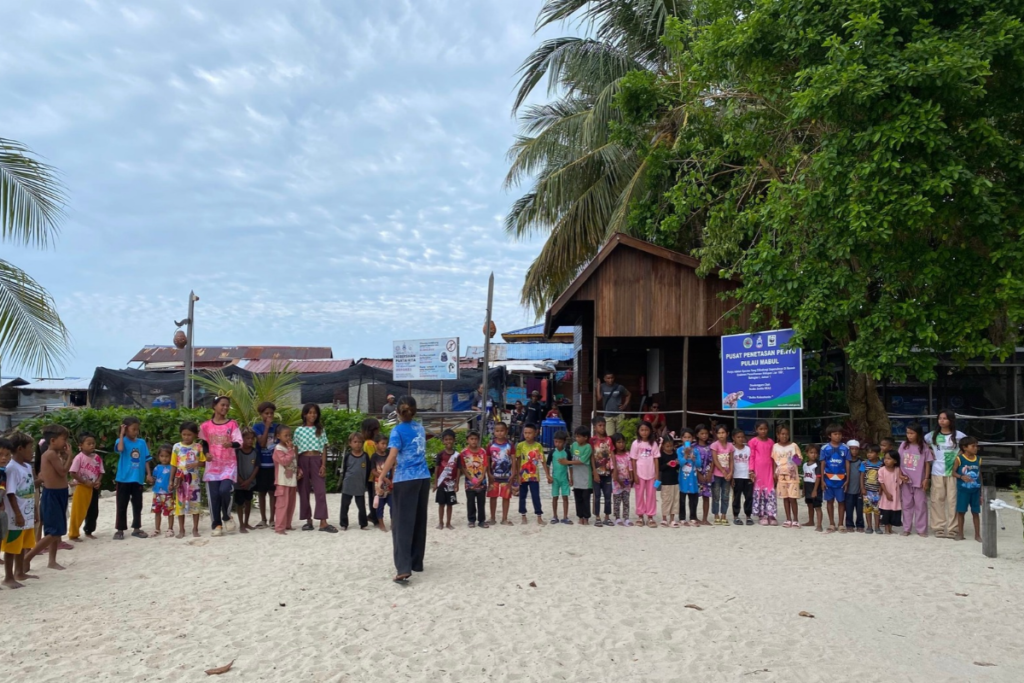
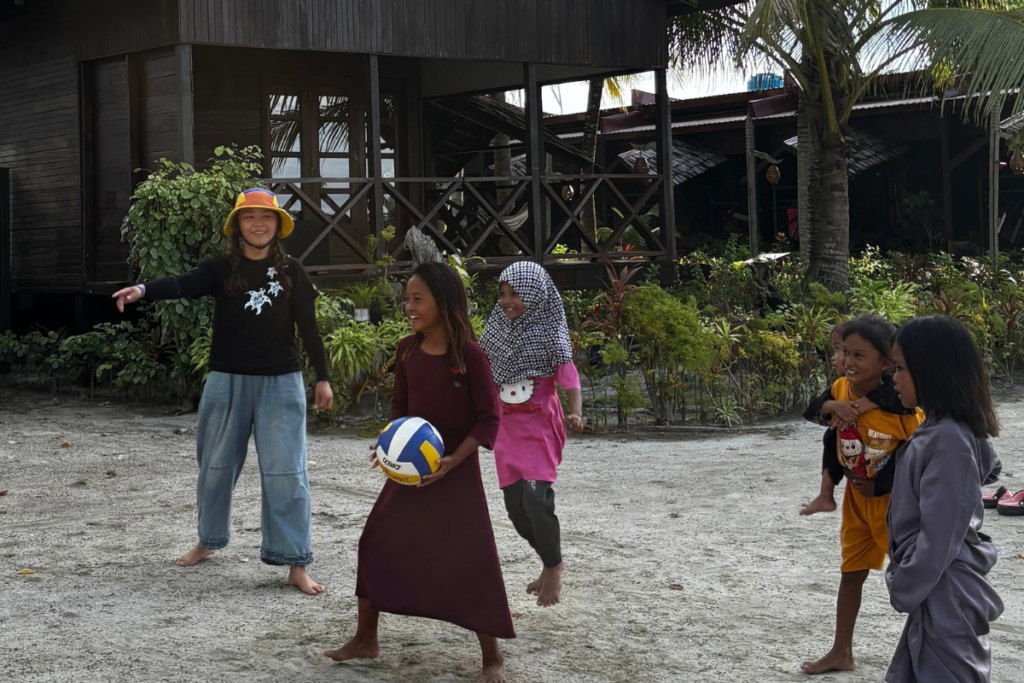
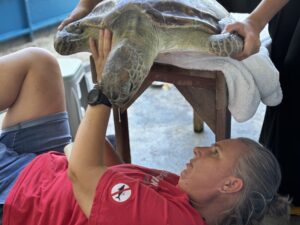
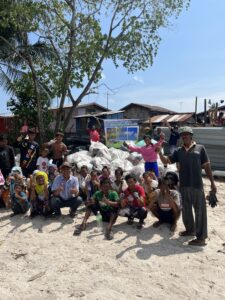
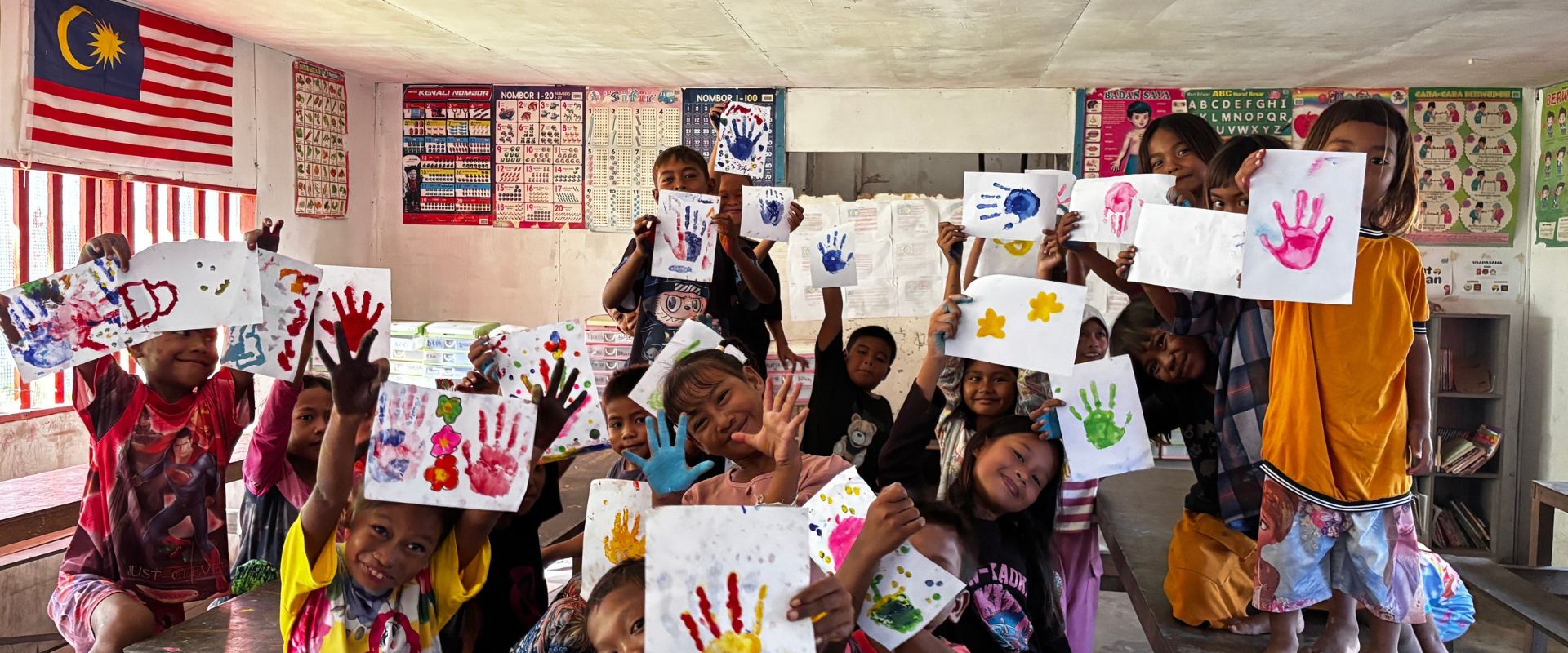
Scrubbing tanks, baby turtle releases, diving for coral restoration, running plastic project activities with local children, supporting volunteer programmes, helping with village classes, and even being slapped by our supposedly gentle turtles are just some of the things SEAS threw me into. I couldn’t be more tired—or more grateful.

Learning New Skills

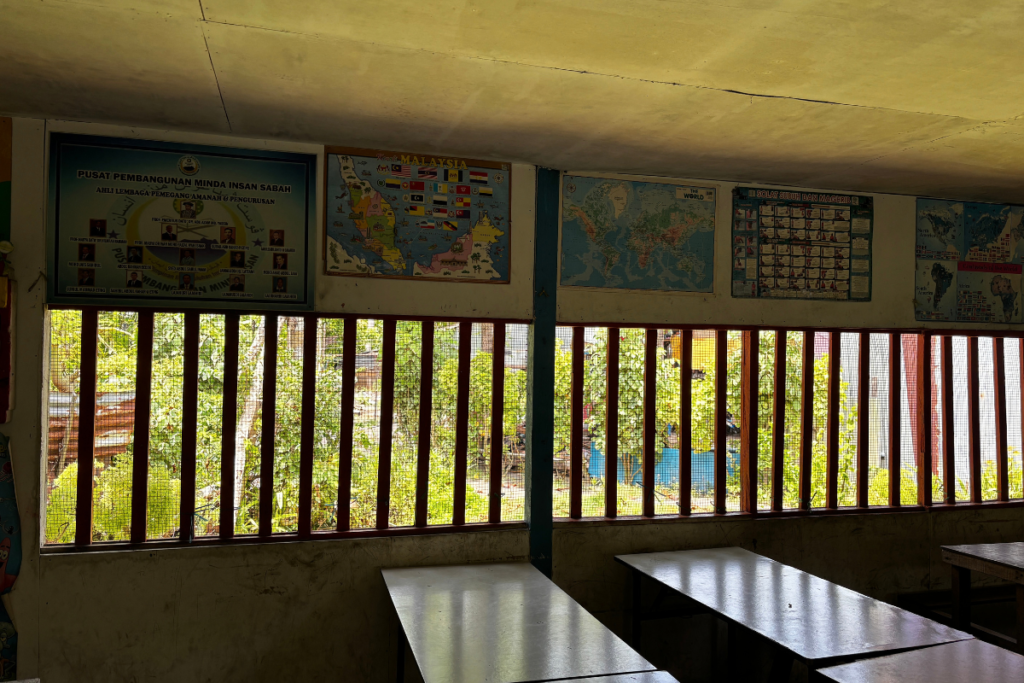
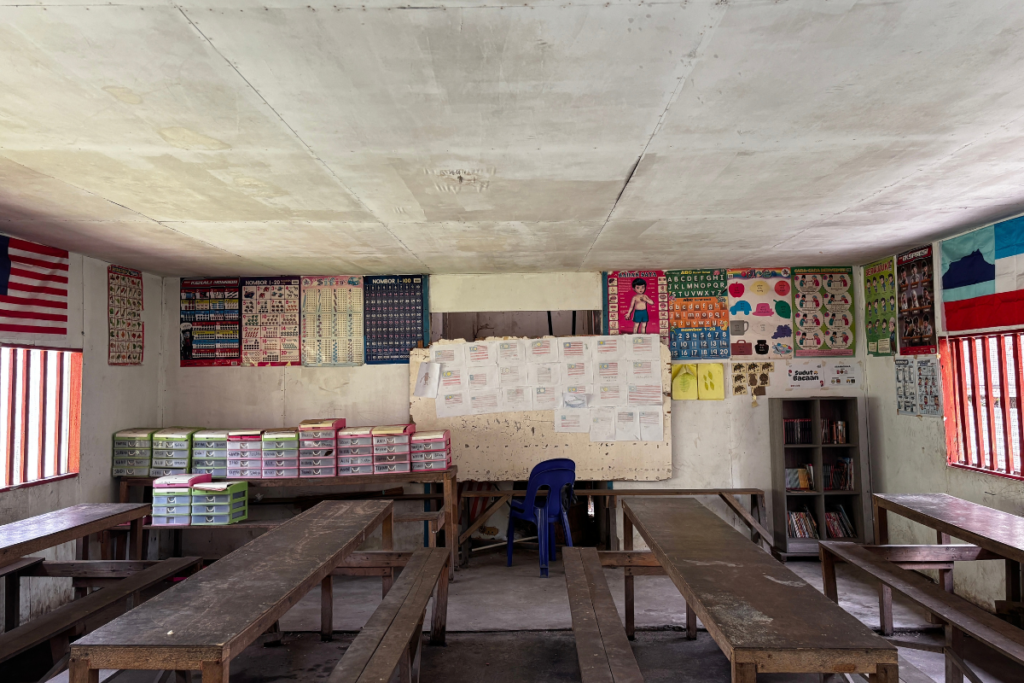
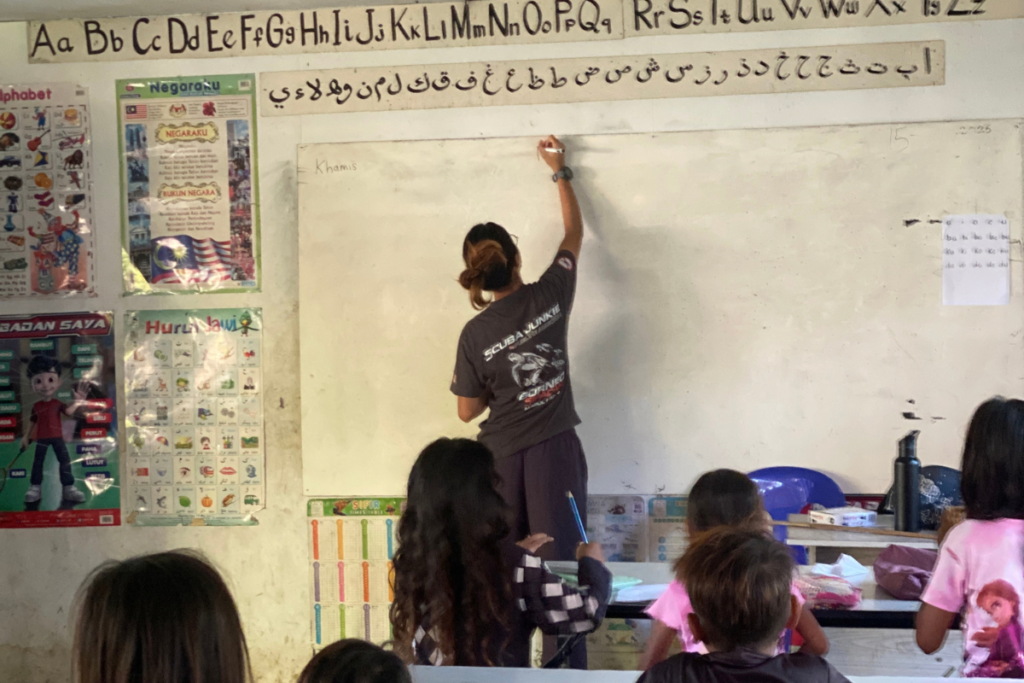
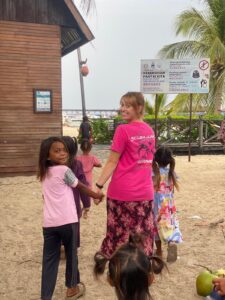
Through helping with village classes alongside my coworker, I became inspired to learn the basics of Bahasa Melayu. This allowed me to connect more closely with local children and staff members.

Learning the language has been one of my favourite achievements, especially because I normally struggle with language learning. Other highlights include gaining my Rescue Diver qualification and significantly improving my diving skills during my time here.

Understanding Conservation Beyond Science

One aspect of my internship that I did not expect before arriving was how interconnected conservation work really is. While much of my role focused on scientific data collection and analysis, I quickly learned that successful conservation depends just as much on education, community engagement and collaboration.

Whether speaking to guests about turtle conservation, working with local children during outreach activities, or supporting volunteers from around the world, I saw firsthand how small actions can contribute to meaningful conservation outcomes.

These experiences have strengthened my confidence, broadened my perspective and reinforced my desire to pursue a career dedicated to protecting wildlife and ecosystems.

Looking Ahead

This internship has truly been an eye-opening experience and one that I believe I will carry with me throughout my future conservation career. The lessons, skills and relationships I have gained during my time with SEAS have shaped both my professional ambitions and personal growth, and I will always be grateful for the opportunity.

Leave a Reply

Your email address will not be published. Required fields are marked *
    [/vc_column_text][/vc_column][/vc_row][/vc_section]

    Harry’s Story

    A Turtle in Trouble

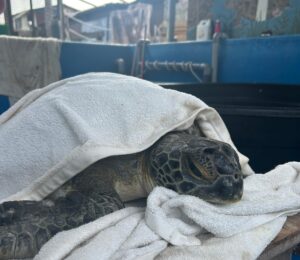
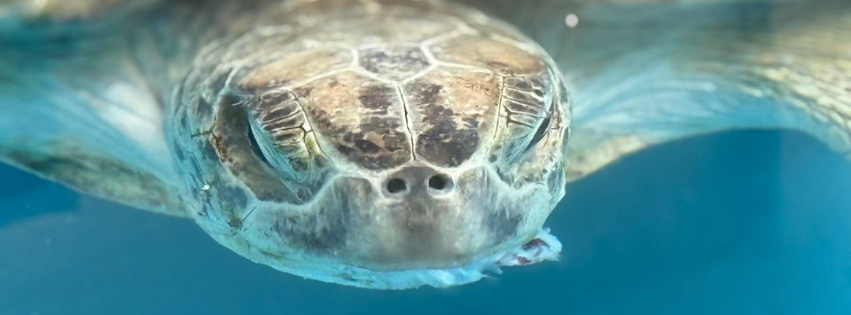
    Looking back on Harry’s story, it’s hard to believe how far our stroppy little turtle came. There were times when we never thought we would see him released, so watching him make his way back to the ocean was incredibly special and emotional. There may even have been a few happy tears.

    Harry was first reported to us by one of the Scuba Junkie dive crew, who had spotted a turtle in front of our jetty that wasn’t moving and didn’t look well. One of our team members headed out with another crew member to assess the situation. When they found him still in the same spot, the decision was made to bring him in.

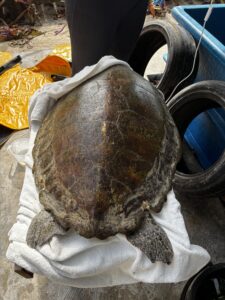
    He was severely malnourished and covered in sand and algae, which is never a good sign. He was so weak that he barely resisted as we brought him to the surface.

    An Unexpected Discovery

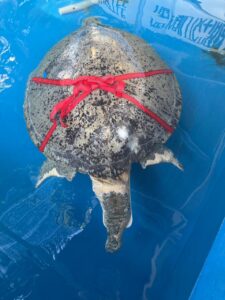
    Harry’s arrival picture

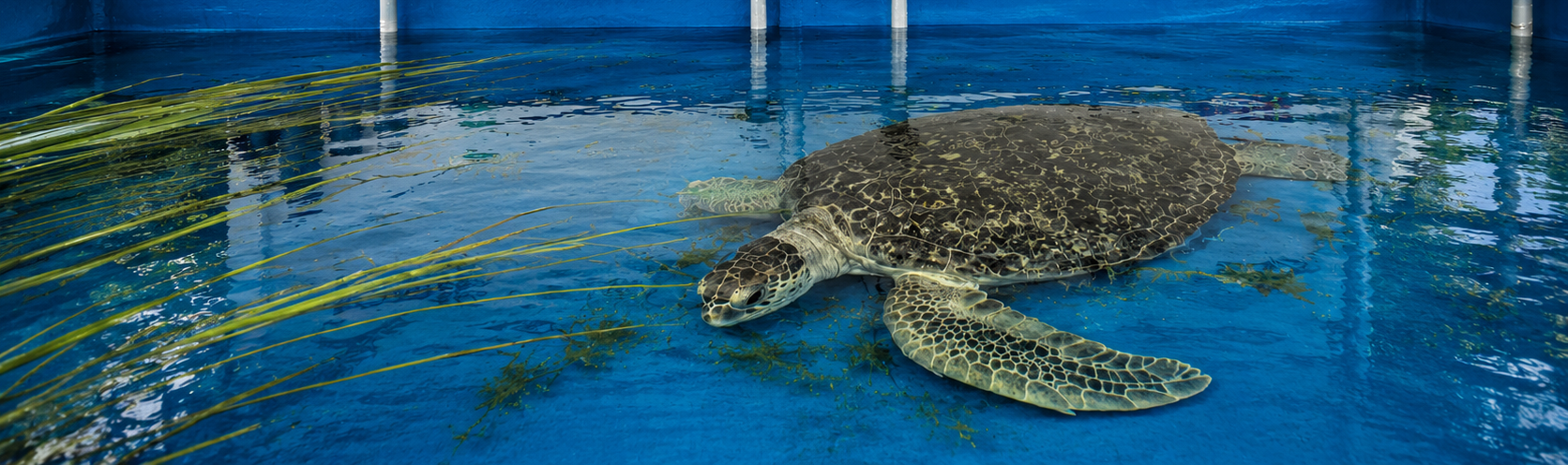
    Once safely transported to the rehabilitation centre, we carried out an initial assessment and decided to place him in a freshwater soak. This helps turtles rehydrate by preventing them from taking in additional salt. While he was in the tank, we noticed he was covered in parasites. We decided to keep him in freshwater for longer, as the parasites appeared unable to survive in those conditions.

    The first morning after an admission is always difficult. You spend the night wondering if your patient made it through. Thankfully, our young turtle had survived, and what we later identified as marine leeches had all fallen off. The yet-to-be-named turtle was often referred to as “he who has no name” (partly because one member of the team may have been re-reading Harry Potter at the time).

    The Rollercoaster of Rehabilitation

    Rehabilitating turtles is often an emotional rollercoaster. Did they make it through the night? Are they going to eat? Will they poop? Every one of these milestones feels like a small victory.

    At the time, we were caring for Lesley, who was nearing release, Jay, who was presenting his own challenges, and Harry, as he eventually came to be known. Harry took us on quite a journey. He would make progress, eating well and gaining weight, only to take a step backwards by refusing food and losing condition again.

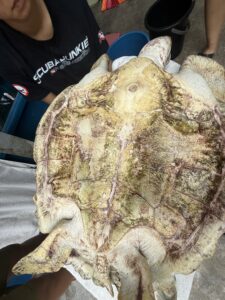
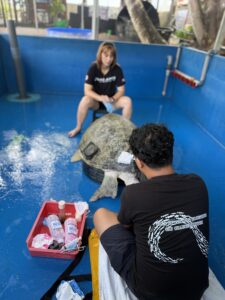
    Harry’s plastron and wound

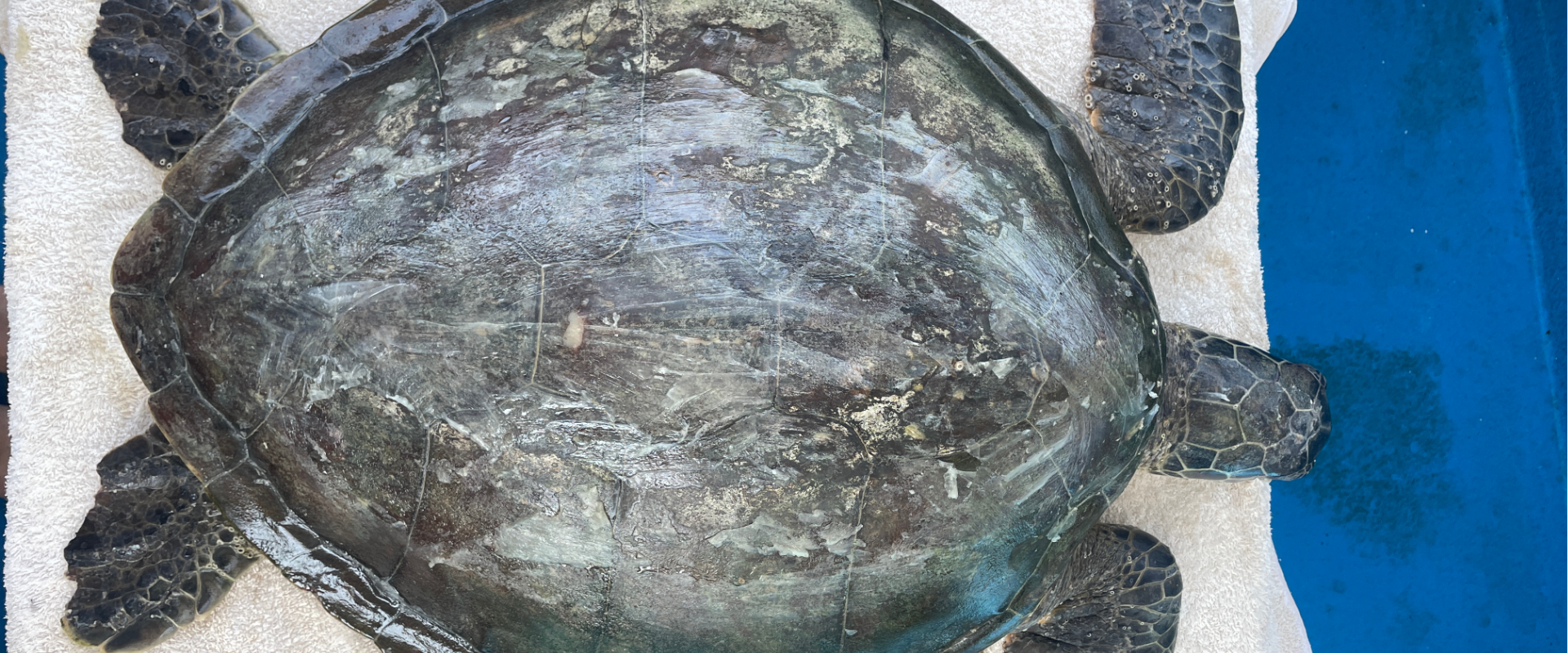
    Harry was so malnourished that we had to be extremely careful whenever we handled him. His poor condition led to the development of a hole in his plastron, with cartilage beginning to protrude. Over time, the wound worsened. The hole became larger and more surrounding tissue died, reducing the chances of successful healing.

    Turtles are particularly difficult patients to work with. Their body shape makes wound management challenging, and because they spend their lives in water, keeping wounds clean, encouraging healing and preventing water from entering the body cavity can be incredibly difficult. On top of this, Harry remained frustratingly inconsistent with feeding. Some days he would eagerly accept food, while on others he would refuse it completely.

    It was at this stage that our amazing veterinarian, Dr Nabila, advised that Harry was likely to become a palliative care case. It was heartbreaking news to hear.

    When Hope Started to Return

    Doing whatever we can help our boy.

    Still, we carried on doing everything we could. We encouraged him to eat with plenty of his favourite foods, carefully cleaned and managed his wound, and hoped for the best.

    Then something changed.

    Harry started eating consistently. He developed a particular love for squid and quickly learned that seeing us usually meant more squid was on the way. Better still, he started gaining weight, growing stronger and showing signs that his wound was finally healing.

    Our boy chonked up beautifully and transformed into a feisty, stroppy teenager who occasionally reminded us exactly how much strength he had regained.

    Back to the Ocean

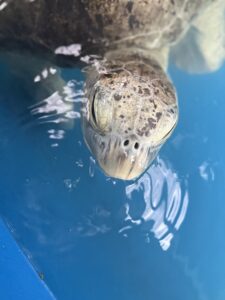
    Harry on his release day

    Watching Harry swim back into the ocean marked the end of a long and challenging journey. It was a moment of immense pride for everyone involved.

    Not every rehabilitation story ends this way. Wildlife rehabilitation is often difficult, and not every patient can be saved. But moments like Harry’s release remind us why we do this work. Seeing a turtle that once seemed to have no chance return to the ocean makes every setback worthwhile and gives us the motivation to keep fighting for the next one.

    Leave a Reply

    Your email address will not be published. Required fields are marked *
      Deep Dive: 2025 at SEAS

      2025 was a year shaped by collaboration, consistency, and small actions adding up to meaningful change. Across turtle conservation, coral restoration, marine debris work, research, and community engagement, SEAS continued working to protect marine ecosystems around Mabul Island and beyond. This deep dive looks back at the key milestones, challenges, and impact from the year.

      🐢 Turtle Conservation: Protecting the Next Generation

      Turtle conservation remained a core focus throughout 2025. Nest monitoring and protection continued across the nesting season, with multiple nests successfully safeguarded from threats such as predation, flooding, and human disturbance. Hatchling success rates remained consistently high, with the majority of protected nests achieving over 90% hatching success.

      In-water turtle monitoring also played an important role. Sightings logged through SIPs contributed to long-term datasets that help track turtle health, behaviour, and site fidelity. Guest and diver participation continued to strengthen this citizen science approach, expanding the understanding of turtles using local reefs as feeding and resting grounds.

      Beyond data, rehabilitation and rescue efforts ensured that injured or entangled turtles received timely care, reinforcing the importance of rapid local response in conservation outcomes.

      🪸 Coral Restoration: Building Resilience on the Reef

      Coral restoration efforts progressed steadily in 2025, with coral nurseries maintained and expanded throughout the year. Regular monitoring of coral fragments allowed growth rates, survival, and health to be tracked over time, providing valuable insight into which species and methods perform best under local conditions.

      Artificial reef structures and coral trees continued to support reef recovery by providing stable substrates for coral growth and shelter for marine life. These sites increasingly functioned as living classrooms, demonstrating how active restoration can support damaged reef systems when combined with long-term monitoring and protection.

      ♻️ Marine Debris & Plastic: From Clean-Ups to Circular Solutions

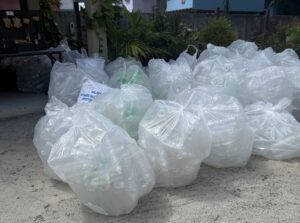
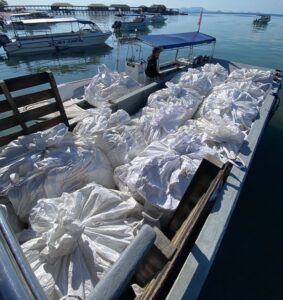
      Marine debris remained a visible challenge in 2025, particularly following seasonal storms. Regular beach and reef clean-ups removed significant amounts of waste from the island’s shoreline, with staff, volunteers, guests, and community members all contributing.

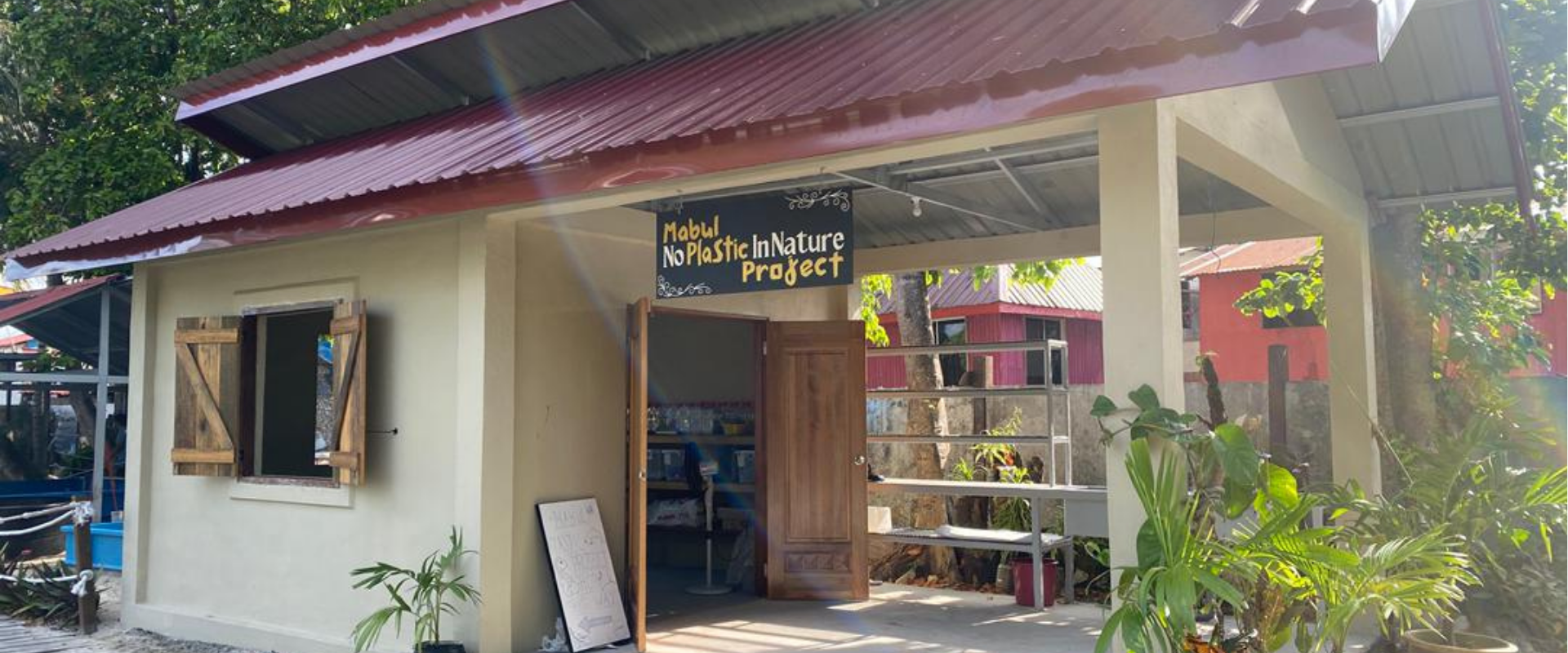
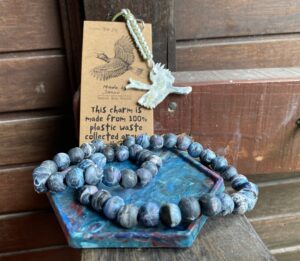
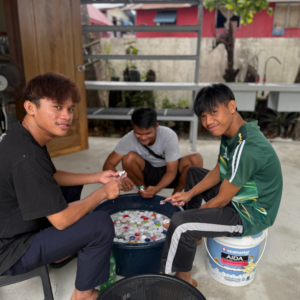
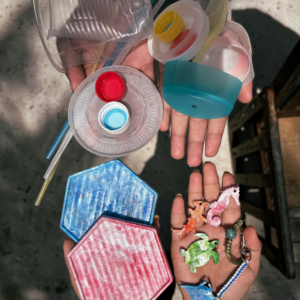
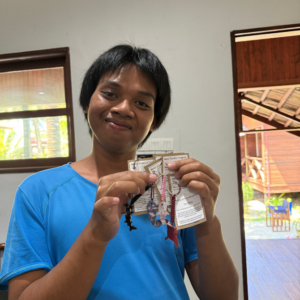
      Importantly, 2025 marked progress beyond clean-ups alone. Sorting, documenting, and repurposing plastic waste became an increasing focus, laying the groundwork for the plastic project developed in collaboration with partners. This shift reflects a broader approach to marine debris — addressing not only removal, but also awareness, reduction, and reuse.

      📊 Research, Monitoring & Data

      Scientific monitoring underpinned all SEAS projects in 2025. From turtle sightings and nest data to coral growth measurements and clean-up records, consistent data collection helped transform individual actions into measurable impact.

      These datasets support adaptive management — allowing conservation efforts to evolve based on evidence — and contribute to wider regional understanding of marine ecosystems in the Coral Triangle.

      🏝️ Community, Education & Capacity Building

      Community engagement continued to be a vital component of SEAS work in 2025. Outreach sessions, youth programmes, and capacity-building initiatives helped build local skills, foster ocean stewardship, and strengthen connections between conservation and daily life on the island.

      Volunteer and guest involvement remained central, demonstrating how tourism, education, and conservation can work together to create positive outcomes for both people and the environment.

      🌊 Looking Ahead

      The work carried out in 2025 highlights an important truth: lasting conservation is built through consistency, collaboration, and shared responsibility. While challenges remain, the progress made this year shows what is possible when people come together with a shared commitment to the ocean.

      Only by working together can change happen.

      Leave a Reply

      Your email address will not be published. Required fields are marked *

        Scuba Junkie SEAS: Who Are We?

        About us 28 Oct 2025

        Scuba Junkie SEAS began with a love for the ocean and a mission to protect it. From creating a turtle hatchery and rehabilitation centre to launching reef restoration and plastic reduction projects, our work blends conservation with community. Together with local partners and ocean lovers worldwide, we’re building a healthier future for the Coral Triangle.

        How It All Began

        Scuba Junkie SEAS (SEAS stands for Sea Education Awareness Sabah) officially launched in 2009, born from the desire to safeguard the rich marine life around Semporna. Our very first campaign aimed to establish a shark sanctuary in the region — a bold idea at the time, and the spark that ignited our long-term commitment to conservation.

        Since then, SEAS has expanded step by step, always responding to the challenges our oceans face. In 2011, we opened our turtle hatchery on Mabul Island, giving endangered sea turtles a safe place to nest and hatch. In 2015, our work grew again with the creation of the turtle rehabilitation centre, where sick or injured turtles can be treated and, whenever possible, released back into the wild. And in 2025, we began tackling one of the greatest threats of our time — plastic pollution — with a community-driven waste management and upcycling project.

        What We’ve Achieved

        Over the years, SEAS has seen incredible milestones:

        • 26,000+ baby turtles released into the sea through our hatchery program.
        • 19 rescued turtles successfully rehabilitated and returned to the wild.
        • A growing coral nursery and reef restoration program, helping degraded reefs recover.
        • A strong foundation in community education, outreach, and local capacity-building, working closely with the people of Mabul Island and beyond.

        These achievements are not just numbers — they represent real progress in giving marine life a fighting chance while empowering local communities to play a leading role in conservation.

        Our Core Belief

        At the heart of everything we do lies a simple truth: real change only happens when we work together. Whether it’s rescuing a turtle, planting a coral, or reducing plastic use, progress comes from many hands joining for a common cause.

        That’s why we encourage everyone who visits us — divers, volunteers, or even those just following our journey online — to get involved. Every action counts, and every person who cares about the ocean becomes part of the SEAS family.

        Looking Ahead

        SEAS continues to evolve with the times. The challenges facing our oceans — from climate change to plastic waste — are urgent, but they also inspire us to find creative and inclusive solutions. We’re excited to keep expanding our work, testing new approaches, and deepening our collaboration with communities and conservation partners.

        At the end of the day, it’s not about how big we are — it’s about how deeply we care, and how much more we can achieve together. Scuba Junkie SEAS is more than a conservation organisation; it’s a shared effort to protect our blue planet for generations to come.

        Leave a Reply

        Your email address will not be published. Required fields are marked *

          Jay’s Journey

          28 Oct 2025

          This month we’re shining the spotlight on Jay, one of our current rehab turtles, and the next steps on his long road to recovery.

          How Jay Arrived

          On 19 June 2025, we received reports of a turtle floating near a neighbouring resort, unable to dive. From the photos and videos, he didn’t look too big – but when we got him on board with the help of some strong arms and our trusty turtle stretcher, we discovered Jay was a real heavyweight!

          At the time, we only had one main rehab tank (home to Lesley) and a smaller mobile tank used for freshwater soaks. Jay didn’t fit comfortably in the smaller one, so we swapped the turtles around: Jay took over the big tank, while Lesley, ever the star, settled happily into the smaller tank – provided she still got her head and butt scratches, of course.

          His Injury

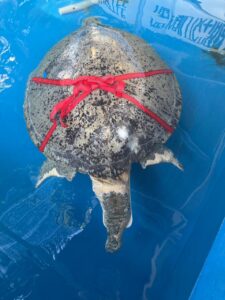
          Jay had suffered a severe boat strike injury to his tail and back flippers. From the position of the wound, it seems likely he was diving when he was struck. The injury was old, leaving his tail hanging down under its own weight.

          To give him the best chance of healing, the team carried out deep wound cleaning and debriding (removing damaged tissue until only healthy flesh remains). With help from Uli and Boss Tino, we even designed a special full-body splint to support his tail.

          When our vet, Dr. Nabila from Sabah Wildlife Department, examined him, it became clear the damage was too severe for full stitching – there simply wasn’t enough tissue in the right place. Instead, the area was cleaned and partially stitched, and we all endured the stressful wait for Jay to wake up from sedation.

          The Critical Weeks

          The following weeks were intense. Jay needed daily wound care, antibiotics, anti-inflammatories, and careful feeding. Unlike Lesley, who loves her sea grapes, Jay was picky – only certain types of squid would do. As he lost weight and energy, things looked bleak.

          But just as we feared the worst, Jay suddenly rallied. With fluids and extra care, his appetite returned, his energy lifted, and before long he had a sparkle back in his eye. Today he’s eating well, has regained weight, and transformed from looking gaunt to being a proper chonk again!

          Where He Is Now

          Jay’s tail has healed as much as possible. Importantly, he can now control it and use the bathroom properly. With his weight restored, the next challenge is his buoyancy issue.

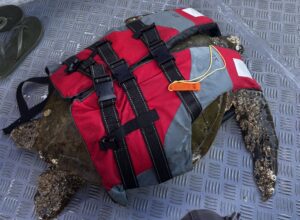
          We’ll tackle this using targeted weight therapy – similar to divers. Custom weight pockets are being made, which will attach to his carapace with Velcro. We’ll start small, gradually increasing until he can stay comfortably at the bottom, and then reducing again until he manages buoyancy on his own.

          Only once he can dive, sleep, and rest without assistance will Jay be ready for release.

          The Road Ahead

          Rehab is always a slow journey, but every step is worth it. Seeing Jay’s happy face each day reminds us why we do this – and why your support makes all the difference.

          Leave a Reply

          Your email address will not be published. Required fields are marked *