Introduction
The thing about habitat conservation is, the ultimate objective is always to have locals, as the key players. Because after all, they are the ones who grew up in it, live there, and ended up getting affected by the changes, especially climate change. In Mabul island, locals’ livelihood still, to this day, revolves heavily around the ocean. Early in the morning, when the sun has not risen yet, small fishing boats depart, to ensure they bring enough catch for the day. Moreover, the breathtaking underwater scenery and biodiversity of Mabul, have invited tourists from all over the world, opening job opportunities for locals to work in the tourism industry.
The locals are none other than, the renowned ocean indigenous, the Bajau, Suluk and Bajau Laut. They are not only dependent on the ocean, but their presence has been deeply connected with the ocean through cultural practices that have persisted over time. For instance, mengarang, which is an activity done during low tide, to forage for some sea snails and intertidal seafood, is still being practiced across generations until this day.
However, as society advances, the locals here are unfortunately overlooked due to their circumstances. Pressure like rising ocean temperature, unexplained weather patterns, water pollution, and plastic pollution, starts to threaten Mabul and its people. This has snowballed into a bigger issue, where indigenous knowledge, culture, and practices are at risk of disappearing. Therefore, they need to be informed and prepared, and outreach is one of the effective approaches.
The very first step
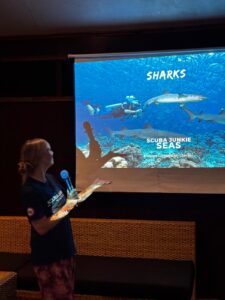
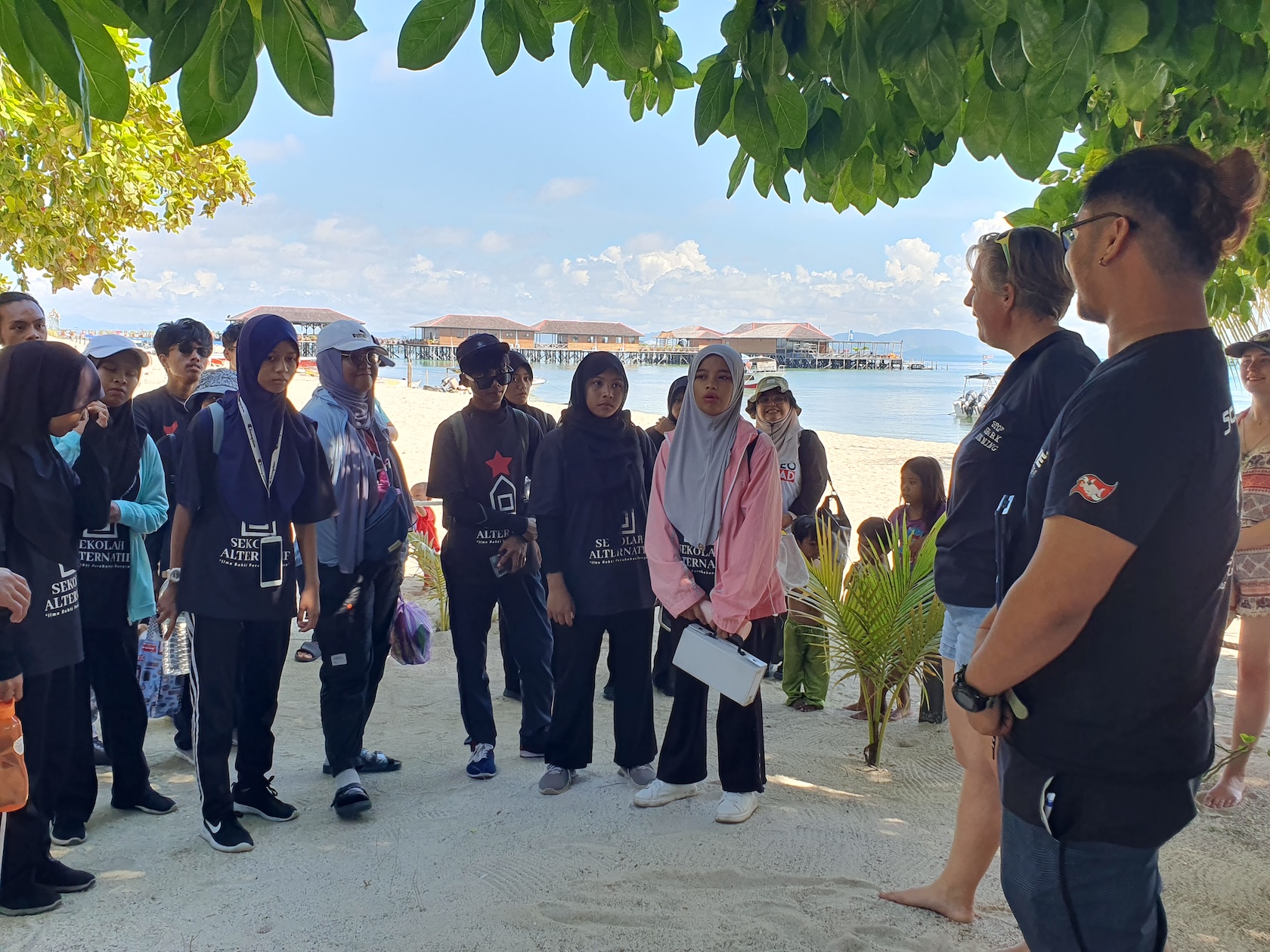
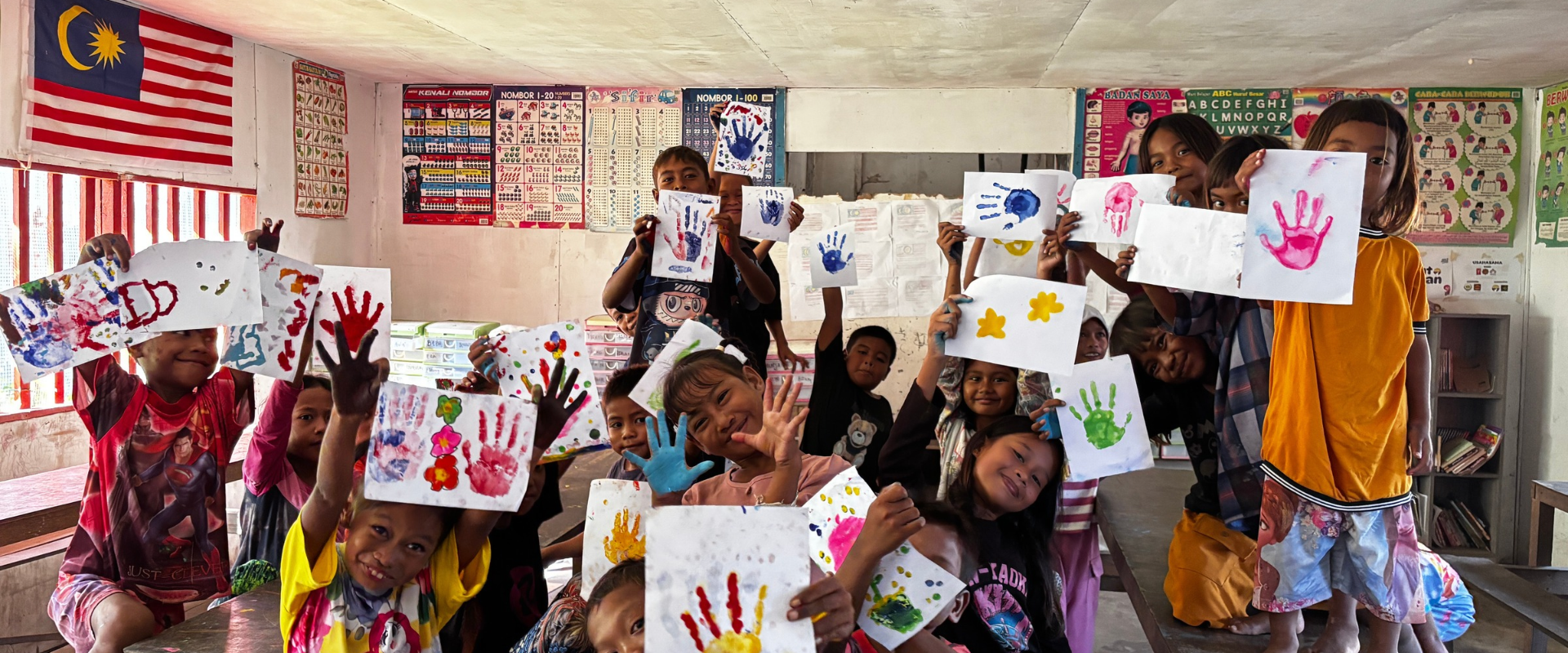
Melentur buluh biarlah dari rebungnya–A beautiful proverb in Malaysia, means if you want to bend bamboo, you have to start from the shoots. That way you can shape the bamboo. In relation to the proverb, this is a story of empowering ocean generations to be resilient, by nurturing them from a young age. Ever since the establishment of Scuba Junkie SEAS, we have been conducting outreach, especially to local students in collaboration with schools on the island. However, due to limitations of manpower (SEAS was a very small team back then), most of the outreach done was seasonal. Until 2025, when the outreach officer position was created specifically to start a continuous outreach project with local students. And that’s how Mabul Lumaku (means Mabul my home in local language) started.
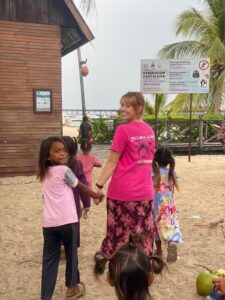
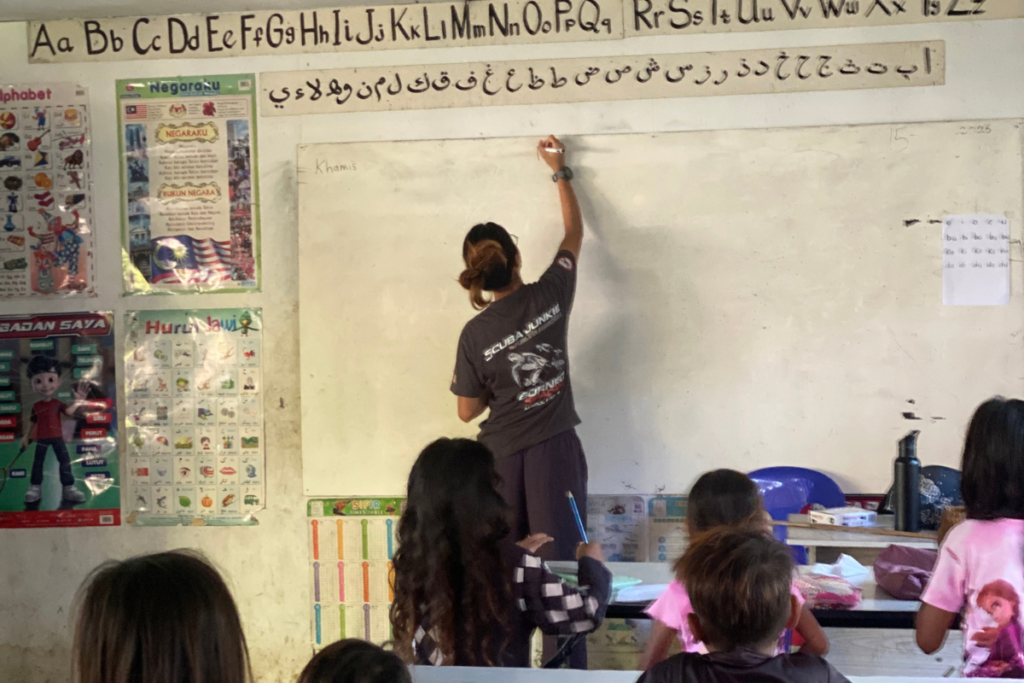
Although the first class started in July, preparation was done months prior. We submitted proposals for grants, but unfortunately did not make it. Most importantly, we visited all schools in Mabul, which are 1 national primary public school, 3 alternative schools for primary students, and 1 alternative school for secondary school. One school caught my attention, the Kelas Bimbingan Insan (KBI). The reason was because this school, which you do not have to pay tuition to enroll, hosts students of underprivileged, the ones without documents, and apparently through stories from the local kids, also accepting the ones that were expelled from other alternative schools due to misbehaviour and inconsistent attendance. So I met Bu Dayang, the English teacher and also the principal for the school. Turns out, there is an area on the island, where most of the parents do not really push for education, and the kids would rather go sell coconut to tourists, as early as 6 years old, or fishing, so they can help to put food on the table. Learning, which is supposed to be basic human rights, is a privilege here.
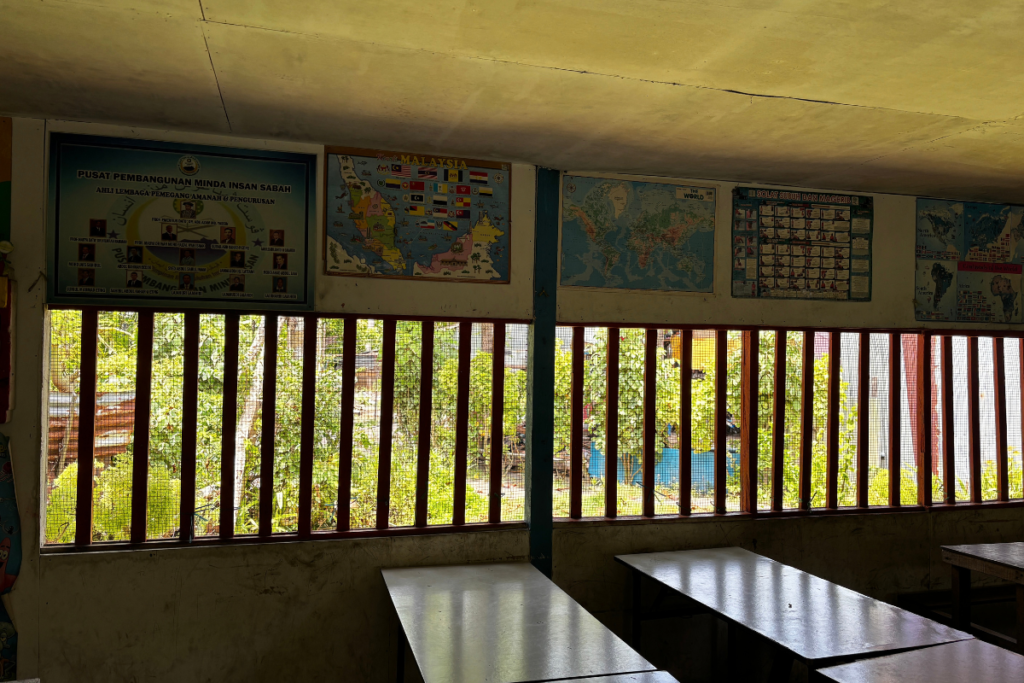
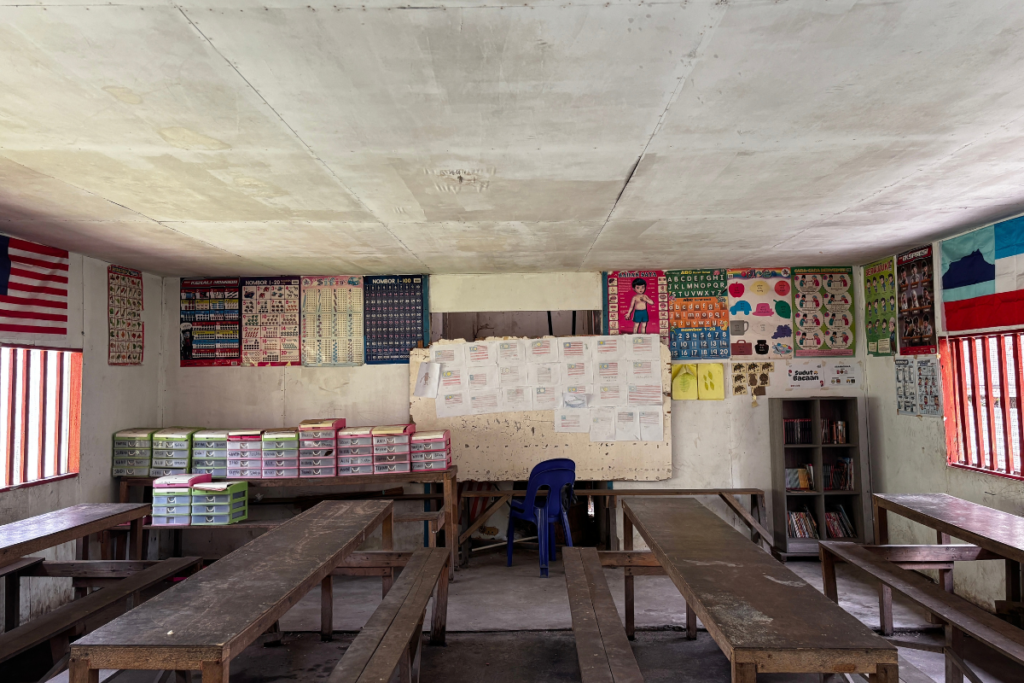
Visiting the schools myself made me understand more about the condition of each alternative school. KBI only has only 1 classroom, without electricity so there is no light or fan, thus the class starts as early as 6.30am and can only last only 9am. More than that, students start to lose focus as the classroom gets hot and stuffy. Some of the walls were made of plywood and the windows did not have cover, causing flooding in the classroom each time it rained. The classroom condition, students’ background, and teachers’ dedication are the reasons we ended up choosing KBI as the collaboration partner in the Mabul Lumaku project.
Let the project begin!
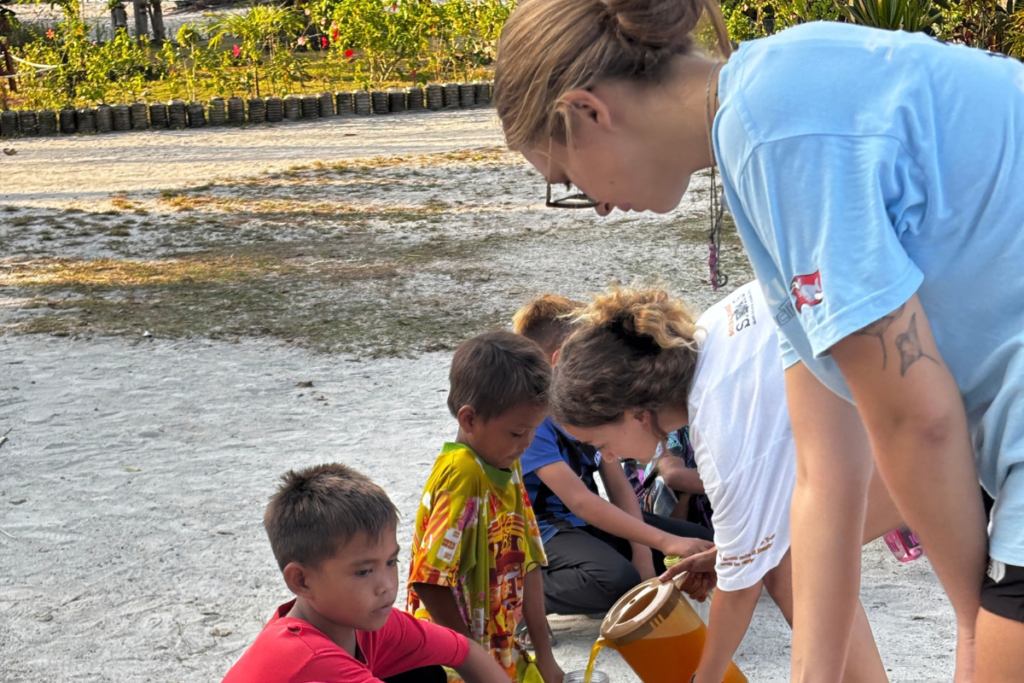
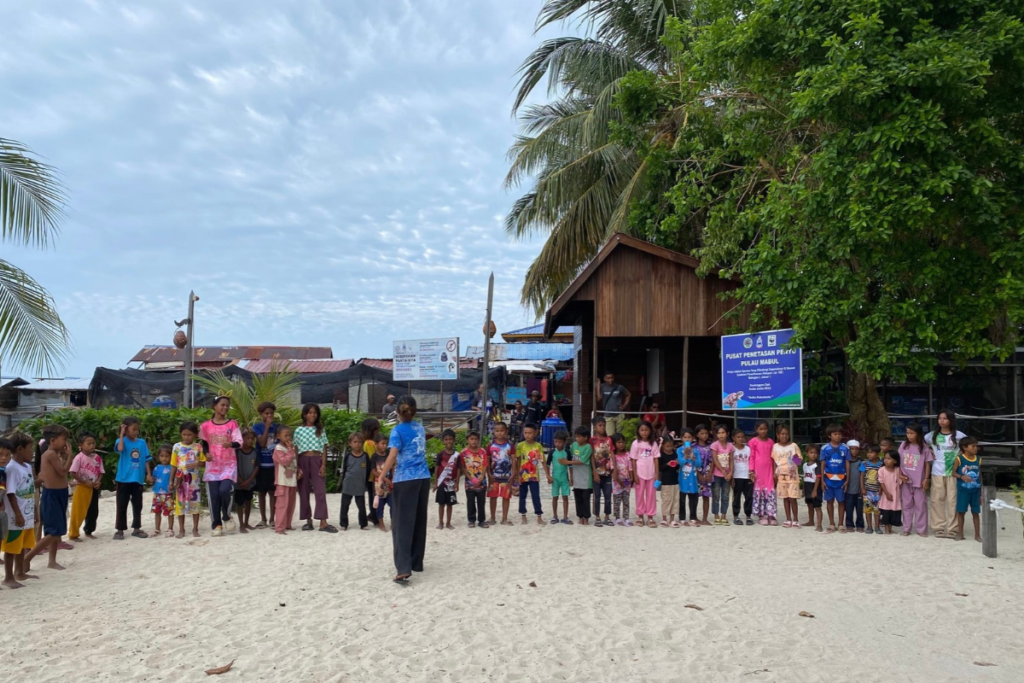
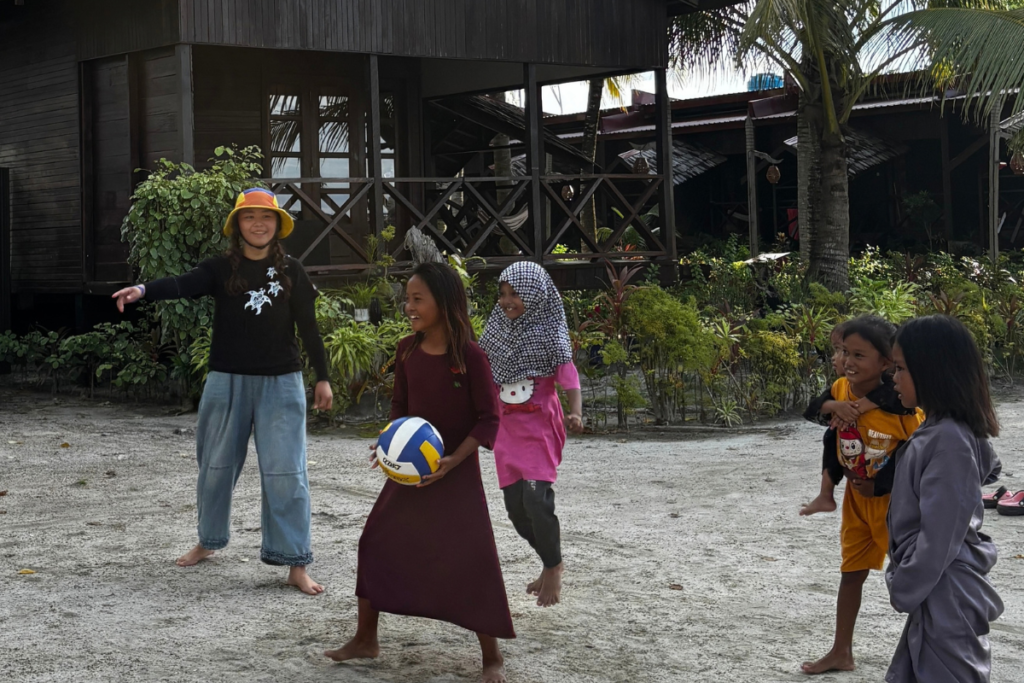
To be honest, it was not an easy journey but it is worth it. Few amendments were made on our initial plan of the project, based on informal surveys conducted on the students and information from Bu Dayang. The initial plan was to focus on 20 students, aged around 7-12 years old from KBI, and conduct 1 class every week. However, we realised that one of our biggest challenges is consistent attendance, as mentioned by Bu Dayang. Hence, to boost their interest in participating in the Mabul Lumaku project, we tried splitting the class into 2 sessions per day, where morning sessions involve lecture-based learning with interactive discussion while late afternoon sessions involve game-based learning where we get to apply the syllabus that we learned into outdoor games!
The picture above is the first trial outdoor game session done to ensure we are ready to roll! Afternoon sessions also include cakes and juices to encourage participation, because after all, who does not love snacks and games right? However, to make sure our plan works out, there is one big rule that we stand firm, which is, in order to join the afternoon session, they need to join the morning session. At first, it is difficult to turn away excited students with teary cheeks, but if they miss the class of the week, they can always join the next one, as long as they join the morning session first 😉
After all the preparation, finally, on 10th July 2025, the first class of the Mabul Lumaku project kicked off! To readers, there is a lot more I want to share here, our syllabus, games we played, challenges we faced, donors, and what is happening now and our future plans. However, as my pen is running out of ink (not literally), I will keep those stories for the next part. Thank you for reading and caring about this story of Mabul, because simply choosing to care can ripple outward in ways you might not realise, is helping us. Stay tuned for the next part, xoxo, by yours truly, SEAS outreach officer:)
Leave a Reply
Your email address will not be published. Required fields are marked *
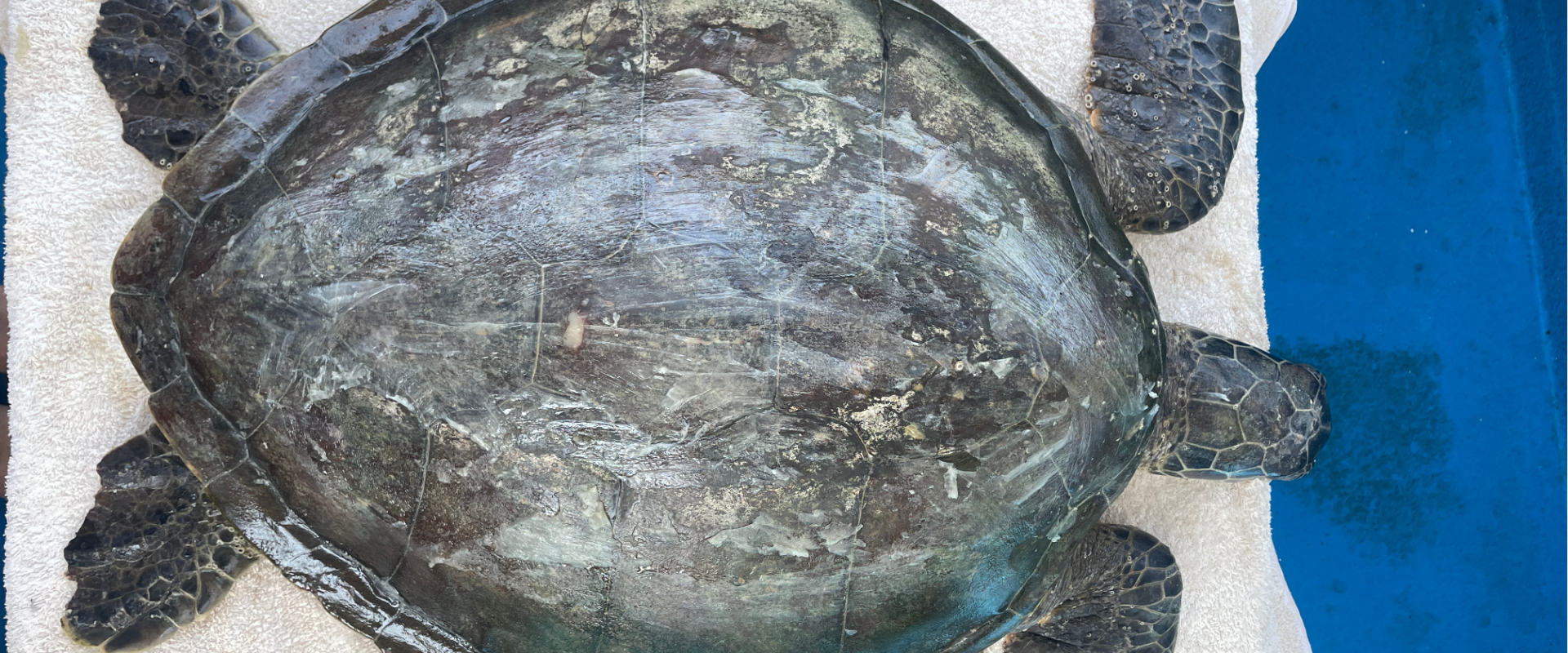
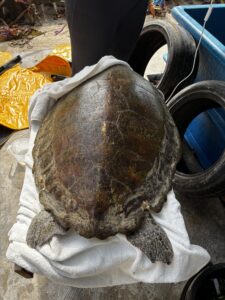
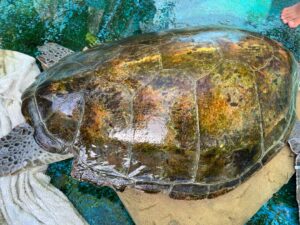
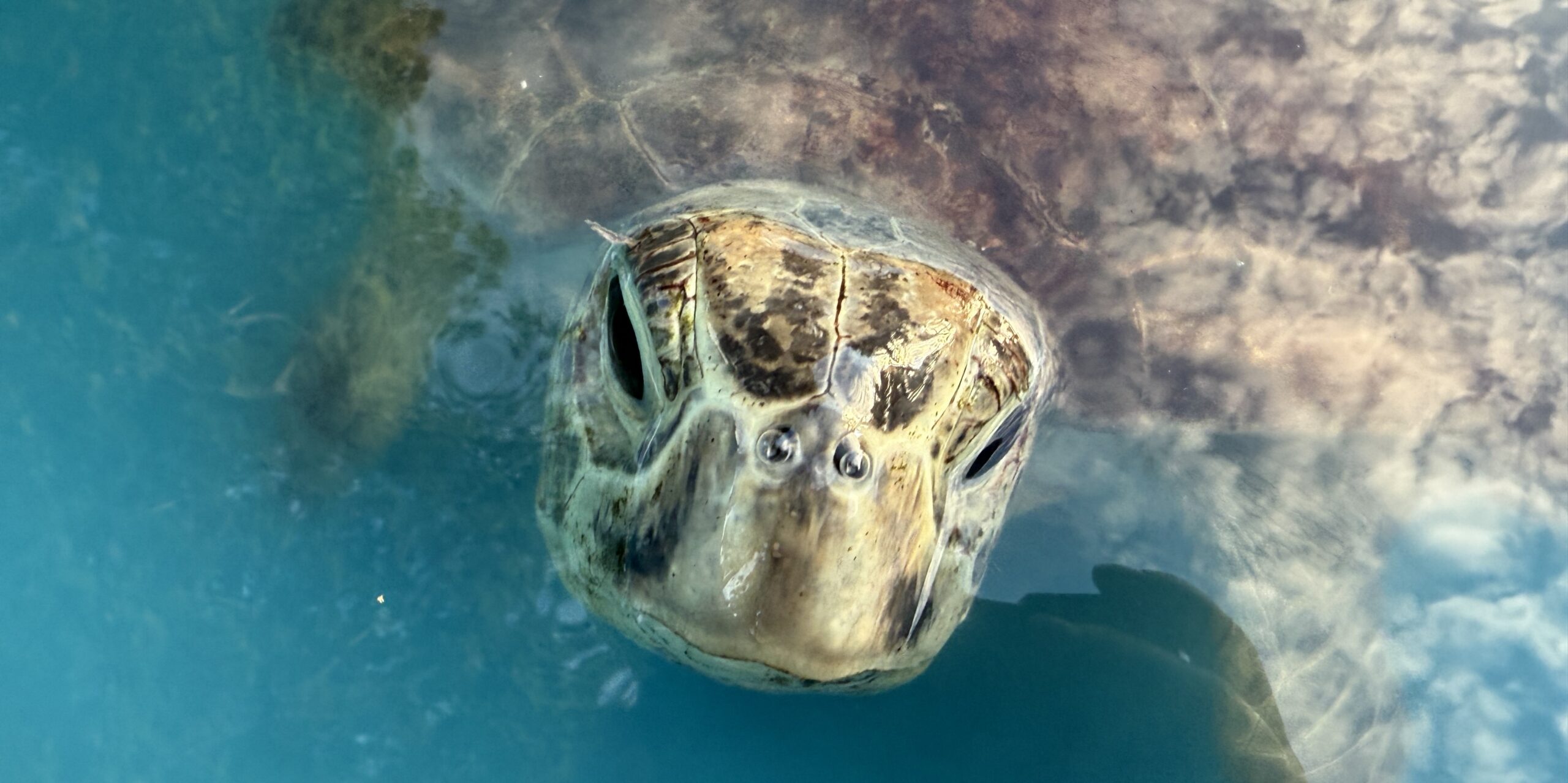
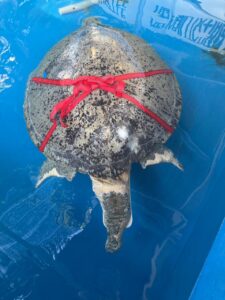
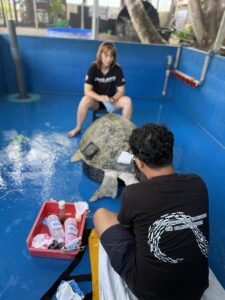
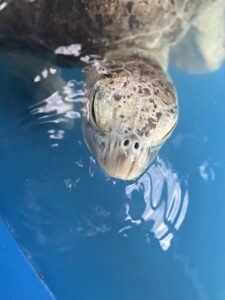
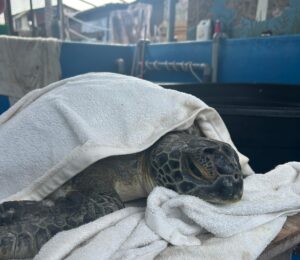
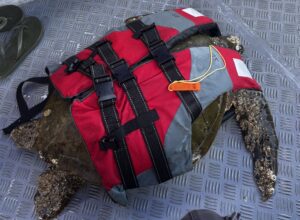 Rough boat journeys can be hard on turtles, as they are not designed to withstand impacts while on land. Thankfully, we have amazing captains at Scuba Junkie, so despite the size of the waves, it was a relatively smooth and bump-free trip back. A massive thank you to Captain Salleh for getting us there and back safely and quickly.
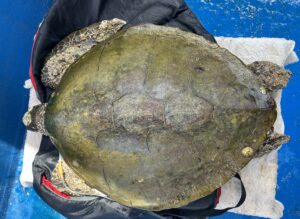
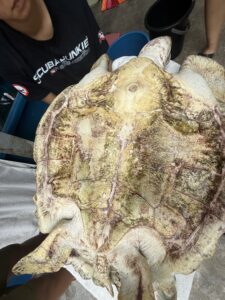
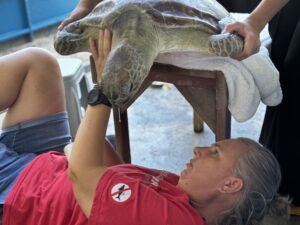
 As we weren’t making any progress, we took Amil-Derry to Semporna for an X-ray. We were concerned about putting her through the boat journey given how weak she was, but we knew we needed to find out what was happening inside her.
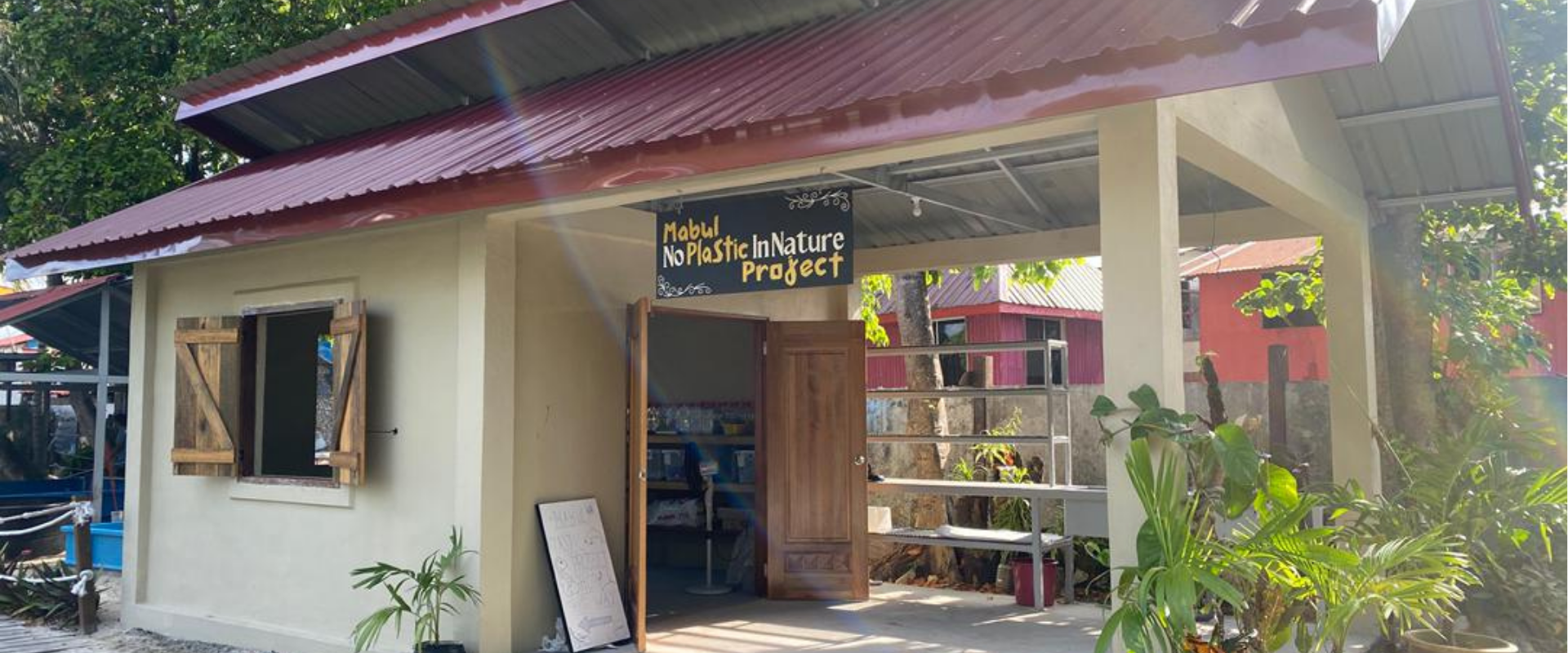
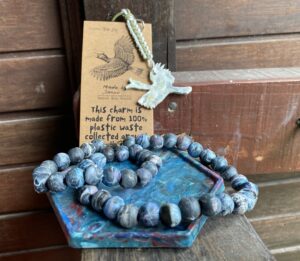 More Than a Souvenir
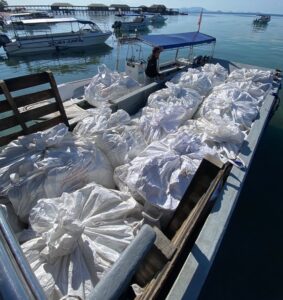
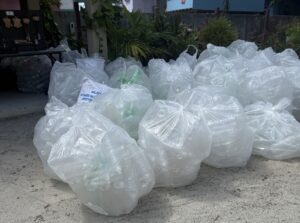 Residents can bring their PET plastic to us, where we purchase it for RM0.50 per kilogram. Once we’ve collected around 300 kilograms, it’s transported to Tawau before continuing its recycling journey.
 Why Is Plastic Worth So Little?